
Preparing for an ayahuasca ceremony requires more than simply showing up with curiosity and an open mind; it is a gradual process that involves aligning body, mind, and spirit with the sacred experience that awaits, and one of the most important aspects of this preparation is following a specific dietary regimen known as the ayahuasca diet. Far from being a minor detail, this set of nutritional guidelines originates in Amazonian shamanic traditions, where food is seen not only as physical nourishment but also as an energetic influence capable of shaping the clarity, safety, and depth of the visionary journey. By adopting this approach in the days or weeks leading up to the ceremony, participants create a state of internal balance that allows the medicine to work more smoothly, reducing unnecessary discomfort and maximizing the potential for healing and insight.
At its core, the ayahuasca preparation diet functions on two interconnected levels: physiological and spiritual. On a practical level, the diet minimizes risks by avoiding foods and substances that could interact dangerously with the MAOIs (monoamine oxidase inhibitors) naturally present in the brew, while also lightening the digestive load to ease the body’s work during ceremony; at the same time, from a more subtle and symbolic perspective, the diet represents an intentional act of purification and respect, helping participants detach from indulgence, discipline their desires, and enter the ritual space with heightened receptivity.
Why the Ayahuasca Diet Matters
The ayahuasca brew, traditionally prepared with Banisteriopsis caapi and Psychotria viridis (or, in some cases, with other admixture plants depending on the lineage or tradition), contains compounds that significantly influence the human body and mind. The vine itself is rich in MAOIs (monoamine oxidase inhibitors), a class of substances that temporarily alter the way the body processes neurotransmitters and certain dietary elements. This means that consuming the wrong foods or medications before drinking ayahuasca can create biochemical imbalances, sometimes resulting in intense discomfort, spikes in blood pressure, or even dangerous medical complications.
Yet the ayahuasca ceremony diet extends beyond physiology into a deeper, more symbolic realm. Indigenous Amazonian traditions view the dieta as an act of purification, a way to strip away excess, attachment, and distraction so that the body becomes a more transparent vessel for the plant’s teachings. In this sense, the diet is a ritual in itself: a conscious act of preparation that signals respect for the medicine and for the ceremony. Cleansing the body of toxins, reducing overstimulation, and quieting mental restlessness are all seen as ways of aligning with the sacred, allowing participants to meet ayahuasca with clarity, openness, and humility.
Core Principles of the Ayahuasca Preparation Diet
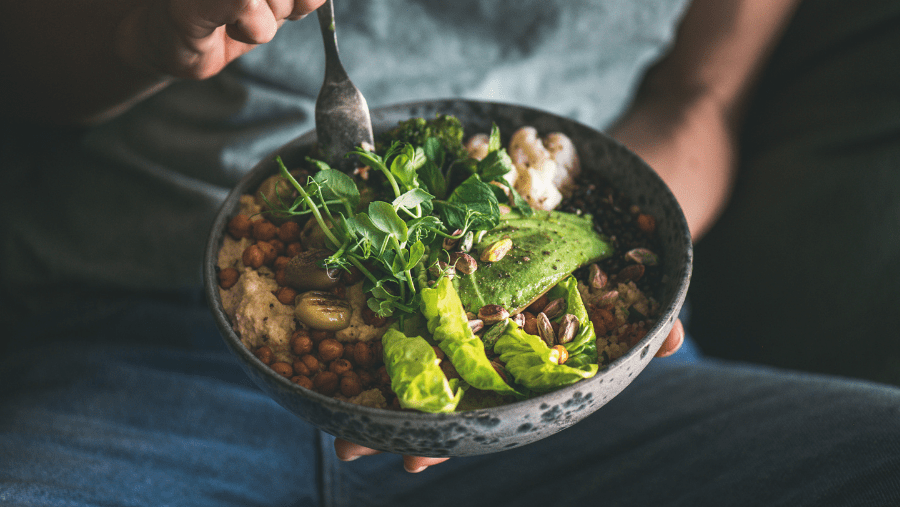
Although different shamans, retreat centers, and lineages may emphasize slightly different approaches, the principles of the ayahuasca preparation diet are remarkably consistent, reflecting a balance between safety, simplicity, and spiritual readiness.
- Avoid tyramine-rich foods: Because MAOIs prevent the body from breaking down tyramine, consuming aged, fermented, or preserved foods can lead to hypertensive reactions. Avoiding them is not only about comfort but also about preventing potentially dangerous interactions.
- Eliminate stimulants and depressants: Substances like alcohol, caffeine, or recreational drugs can dull or distort the medicine’s effects, while also adding strain on the nervous system, which needs to be calm and stable going into the ceremony.
- Reduce salt, sugar, and processed foods: A clean and simple diet helps lighten digestion, supports detoxification, and prevents the energy crashes or irritability that often accompany refined foods.
- Avoid sexual activity: Abstinence before ceremony, a traditional guideline in many indigenous cultures, is thought to preserve vital life force energy and keep participants focused inward, rather than dispersing their energy outward.
- Emphasize simplicity and plant-based meals: Whole, natural foods align with the purifying spirit of the dieta, making it easier for participants to feel light, clear, and attuned to the subtleties of the plant medicine.
What emerges is a diet that is not just restrictive, but intentionally minimalistic, designed to strip away unnecessary stimulation so that both body and spirit can prepare for the work ahead.
Foods to Avoid Before Ayahuasca
Avoiding the wrong foods is central to the ayahuasca preparation diet, as what one consumes — or refrains from consuming –has a direct effect on both safety and the quality of the ceremony. These categories are the most critical to consider:
1. Tyramine-Rich Foods
Since ayahuasca contains natural MAOIs, eating foods rich in tyramine can cause the body’s blood pressure to spike, creating a risk that ranges from headaches to potentially dangerous hypertensive crises. This is why participants are strongly advised to avoid foods such as aged cheeses, cured meats like salami or ham, fermented condiments such as soy sauce, miso, or kimchi, and yeast extracts like Marmite or Vegemite. While these foods may be common in everyday diets, within the context of ayahuasca, they pose risks that should not be underestimated.
2. Stimulants and Substances
Alcohol, caffeine, tobacco, and recreational drugs not only interfere with ayahuasca’s effects but can also overload the nervous system. Combining stimulants like coffee or energy drinks with MAOIs can lead to agitation, insomnia, or cardiovascular stress, while alcohol and drugs cloud the clarity needed for ceremony. Even certain prescription medications, particularly antidepressants such as SSRIs, SNRIs, and other MAOIs, must be carefully reviewed with a doctor and facilitator, since combining them with ayahuasca can be dangerous.
3. Heavy, Greasy, and Processed Foods
Fried foods, refined sugar, and highly processed snacks create a heaviness in the digestive system that runs counter to the lightness needed for ceremony. These foods may not interact chemically with ayahuasca, but they can make the body sluggish, increase nausea during the session, and contribute to a less clear state of mind.
4. Red Meat and Pork
In many traditions, avoiding red meat and pork is not only a matter of easier digestion but also a symbolic act of cleansing. Heavy meats are believed to carry dense energies that interfere with the openness needed to receive the plant’s teachings. Some traditions extend this principle to all animal products, while others permit light proteins such as chicken or fish when prepared simply.
What to Eat Before Ayahuasca
Equally important as knowing what to avoid is understanding what to eat before ayahuasca. The guiding principle here is to choose foods that are nourishing, simple, and easy to digest.
Fresh fruits such as bananas, papayas, apples, pears, and melons provide natural sweetness and hydration without overwhelming the digestive system. Vegetables, whether steamed, roasted, or eaten raw, offer fiber, vitamins, and grounding energy, particularly when kept free from heavy sauces or seasonings. Whole grains such as rice, quinoa, and oats all serve as gentle sources of sustained energy, while legumes like lentils and beans—if cooked plainly—supply plant-based protein without heaviness. For those traditions that allow it, light proteins such as white fish or organic chicken can also be included, though always in moderation and prepared in the simplest possible way.
Hydration is equally vital, as herbal teas and clean water help flush the system of toxins and prepare the body to handle the purging that may accompany the ceremony. Ultimately, the aim is not deprivation but balance: to create a diet that feels both clean and sustainable, allowing participants to enter the ceremonial space without physical or energetic burden.
Timing Your Ayahuasca Diet
Timing plays an essential role in how the ayahuasca ceremony diet is followed. Many facilitators recommend beginning the process gradually rather than all at once, as this allows the body to adjust without stress.
- Two weeks before: Begin reducing alcohol, stimulants, red meat, and heavily processed foods. This early transition helps the body slowly detoxify.
- One week before: Fully commit to the dieta, focusing on plant-based meals, avoiding tyramine-rich foods, and minimizing salt, sugar, and oils. This is also when many choose to adopt complementary practices such as meditation or journaling to deepen preparation.
- 24 hours before: Eat only very light meals, or in some cases fast, allowing the digestive system to rest. This significantly reduces nausea during the ceremony and allows the body to be more receptive to the medicine.
Ayahuasca Diet Simplified: What to Eat and Avoid
While the dieta can seem complex when explained in detail, its essence is simple. For clarity, here is a straightforward list of foods and substances to guide your preparation:
? Foods You Can Eat Before Ayahuasca
- Fresh fruits (bananas, apples, papayas, pears, melons, berries)
- Vegetables (steamed, roasted, or raw; keep seasoning minimal)
- Whole grains (rice, quinoa, oats, barley)
- Legumes (lentils, beans, chickpeas—prepared simply)
- Light proteins if permitted (white fish, organic chicken, eggs in some traditions)
- Nuts and seeds in moderation (unsalted, unroasted)
- Herbal teas (chamomile, mint, ginger)
- Plenty of pure water
? Foods and Substances to Avoid Before Ayahuasca
- Aged cheeses and cured meats
- Fermented or pickled foods (sauerkraut, kimchi, soy sauce, miso, tempeh)
- Yeast extracts (Marmite, Vegemite)
- Red meat and pork
- Fried, greasy, or processed foods
- Refined sugar and artificial additives
- Alcohol, coffee, energy drinks, and tobacco
- Recreational drugs and psychoactive substances
- Prescription medications that interact with MAOIs (SSRIs, SNRIs, other antidepressants – always consult a doctor)
- Excessive salt and heavy seasoning
Experiencing Ayahuasca in a Safe and Supportive Setting
Observing the ayahuasca diet is a vital first step, but the quality of the ceremony also depends on the external environment and on the experience of those who guide it. Choosing a space that prioritizes safety and where professional treat participants for with care and compassion can make the difference between a challenging experience and a truly transformative one.
For those who feel called to explore this sacred medicine, Aloee Wellness in Mexico offers jungle healing ceremonies conducted in a safe, nurturing, and respectful setting. With experienced facilitators, a deep commitment to tradition, and a supportive atmosphere designed to foster healing and insight, Aloee creates the ideal conditions to journey with ayahuasca responsibly. Here, participants will enjoy a dedicated support before and after the ceremony, ensuring that preparation — including the dieta — and integration are handled with the attention and care they deserve.