
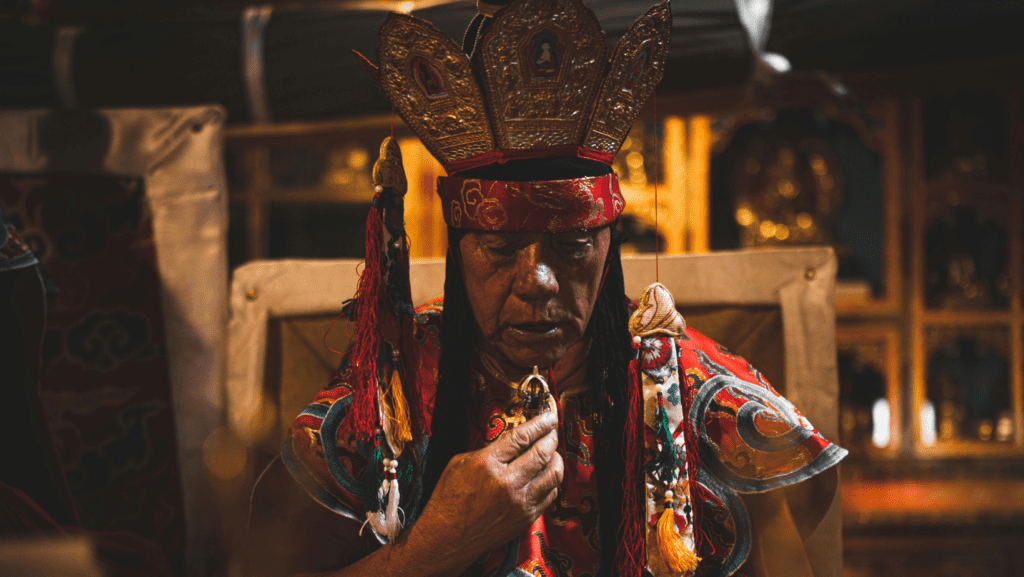
Approaching an ayahuasca ceremony requires more than just showing up. It demands intentional preparation and a deep understanding of what the experience entails. Engaging in open dialogue with an experienced plant medicine facilitator provides invaluable insight into the ceremony’s structure, safety measures, and emotional support available. Knowing the right questions to ask helps you to navigate the entire process with confidence, laying the groundwork for a healing and transformative experience. This article is here to provide you with practical steps for ayahuasca preparation, helping you build trust, readiness, and a secure foundation for the journey ahead.
The Vital Role of Ayahuasca Preparation
While it is widely recognized today for its profound capacity to catalyze emotional breakthroughs, spiritual insight, and personal transformation, ayahuasca is not a recreational substance nor a one-size-fits-all remedy. Its potency — psychologically, physically, and spiritually — demands a conscious, well-informed, and intentional approach. It works deeply and unpredictably, often bringing to the surface hidden traumas, repressed memories, existential fears, or unresolved grief. At the same time, it can induce states of bliss, oneness, and expansive clarity. Navigating this spectrum of experience requires inner stability and external support.
This is where preparation becomes not just helpful but absolutely vital.
Physical Safety and Medical Readiness
One of the primary goals of ayahuasca preparation is to ensure the body is in an optimal state to receive the medicine. The brew contains powerful MAO inhibitors (from the vine) and DMT (from the leaf), which can interact dangerously with certain medications or health conditions. Proper preparation involves disclosing your full medical history, ceasing any contraindicated substances (under supervision), and adhering to a specific pre-ceremony diet, often called the dieta. This dietary protocol usually involves avoiding alcohol, caffeine, pork, processed foods, fermented products, and prescription drugs such as SSRIs.
Additionally, physical preparation helps minimize side effects such as nausea, vomiting, dizziness, or purging. While these are often considered part of the healing process, preparing the digestive and nervous systems reduces unnecessary discomfort and allows the medicine to work more efficiently.
Mental and Emotional Readiness
Ayahuasca is known to unlock emotional layers that participants may not even be consciously aware of. It can challenge psychological defenses and invite you into confrontation with core wounds. For this reason, mental and emotional preparation is essential.
This includes:
- Reflective journaling or therapeutic sessions leading up to the ceremony
- Setting clear intentions—not expectations, but personal inquiries or areas of healing you wish to explore
- Developing emotional regulation tools, such as breathwork, mindfulness, or grounding practices
- Understanding that not all experiences will be blissful, and some may be deeply uncomfortable, yet profoundly healing
Mental readiness does not mean having all the answers—it means being willing to surrender, observe, and stay present through the unknown.
Spiritual Openness and Humility
Beyond physical and psychological considerations, ayahuasca engages the spirit. It may provide visions of ancestors, insights into past lives, symbolic language from the unconscious, or mystical encounters with non-ordinary states of consciousness. Without spiritual openness, these revelations can feel confusing or overwhelming.
Preparation in this domain includes:
- Engaging in meditation, visualization, prayer, or quiet contemplation
- Cultivating a sense of reverence for the medicine and the ceremony
- Letting go of rigid mental frameworks, especially those rooted in Western reductionism or control-based thinking
- Approaching the experience with humility, recognizing that healing may look very different than expected
Ayahuasca does not always give you what you want—it offers what you need. Spiritual preparation increases your ability to receive and integrate this truth with grace.
Trust in the Facilitator and the Ceremony Container
Perhaps most overlooked, yet fundamentally important, is the relationship between participant and facilitator, or shaman. Trust in the ceremony’s container allows the psyche to soften its defenses, enabling deeper healing to unfold. This trust is not blind; it is earned through transparency, shared values, and clear communication.
Preparation includes:
- Researching your facilitator’s background, training, and ethical standards
- Asking direct questions about ceremony structure, safety protocols, and emotional support
- Clarifying boundaries, expectations, and confidentiality policies
- Understanding your facilitator’s lineage or spiritual philosophy, to ensure alignment with your values
When you trust the person guiding the experience, and understand the structure holding the space, you are more likely to surrender into the medicine, rather than resisting or guarding yourself out of fear or uncertainty. Here are some essential questions to help establish a foundation of safety, transparency, and trust before stepping into the ceremonial space.
Ayahuasca Preparation: What are the Key Questions to Ask Your Plant Medicine Facilitator?
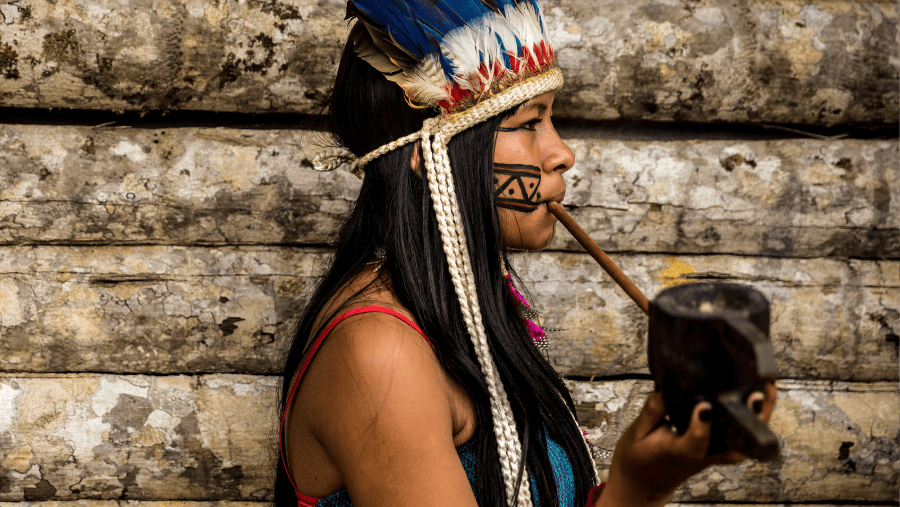
Preparing for an ayahuasca ceremony involves entrusting yourself to a guide whose knowledge, experience, and care will significantly impact your journey’s safety and depth. To ensure the highest standards of safety, authenticity, and support, it is essential to engage in transparent conversations with your plant medicine facilitator. The following questions serve as a critical checklist to assess their expertise, ceremonial approach, and participant care protocols.
1. What are your qualifications, training, and experience with ayahuasca ceremonies?
Understanding a facilitator’s background is foundational to trust. Reliable facilitators often undergo rigorous training, sometimes apprenticing under indigenous shamans or recognized experts in traditional Amazonian plant medicine. Experience in leading numerous ceremonies across diverse participant needs and health conditions signals a deep practical understanding of the medicine’s complexities. Facilitators who combine ancestral wisdom with modern safety protocols demonstrate expertise and authority, which are vital for managing the physical, emotional, and spiritual dimensions of the ceremony.
2. How is the ceremony structured, and what is the typical duration?
Ceremonial formats can vary dramatically based on tradition, setting, facilitator style, and even country (here are the key differences between ayahuasca ceremonies in Mexico, Peru, and Costa Rica). Some ceremonies last a single night, while others extend across multiple nights or include preparatory and integration sessions. Clarifying the schedule, including arrival times, rituals (such as purging, icaros, or fasting), participant roles, and the physical layout of the ceremony space, helps participants prepare mentally and physically.
3. What dietary and lifestyle guidelines should be observed before and after the ceremony?
Adherence to specific dietary protocols is one of the most important preparation steps. Typically, this involves eliminating alcohol, caffeine, recreational drugs, and processed or heavy foods at least 7–10 days prior. Many facilitators also recommend avoiding pork, spicy dishes, and certain medications (notably SSRIs, stimulants, and blood pressure drugs) to prevent adverse interactions with ayahuasca’s active compounds. These dietary restrictions serve to gently detoxify the body, minimize side effects like nausea, and enhance the medicine’s effectiveness. Participants should also ask about post-ceremony guidelines that support physical recovery and emotional integration.
4. What safety protocols are in place during the ceremony?
Safety is paramount in plant medicine ceremonies. Ask facilitators to detail the measures they have in place to manage medical or psychological emergencies. This includes the presence of trained medical personnel or access to emergency equipment, clear procedures for responding to challenging physical or emotional reactions, and an appropriate facilitator-to-participant ratio to ensure attentive care. Additionally, understanding whether the ceremony takes place indoors or outdoors, and how environmental factors such as weather or wildlife are managed, contributes to comprehensive safety preparedness.
5. How is emotional support provided during difficult moments?
Ayahuasca journeys often evoke intense emotional and visionary experiences that can be overwhelming or disorienting. Experienced facilitators employ a variety of techniques to support participants through these challenges, including traditional icaros (ceremonial songs believed to guide the medicine’s flow), breathwork, grounding exercises, and compassionate presence. Clarifying what kind of emotional support is offered (and how facilitators respond to distress) helps participants feel secure and better equipped to surrender to the healing process.
6. Are there any contraindications based on health conditions or medications?
Full disclosure of personal medical history and current medications is essential. Certain conditions—such as cardiovascular diseases, epilepsy, and serious psychiatric disorders like schizophrenia or bipolar disorder—can pose significant risks when combined with ayahuasca. Likewise, some prescription drugs, particularly SSRIs or MAO inhibitors, interact dangerously with the brew.
7. What integration support is offered after the ceremony?
The work of ayahuasca extends well beyond the ceremony itself. Integration—the process of making sense of visions, emotional breakthroughs, and insights—is vital for translating the experience into lasting personal growth. Facilitators who provide structured integration support, such as one-on-one counseling, group sharing circles, or educational resources, demonstrate a commitment to participant well-being. Asking about the availability, format, and duration of integration services ensures that healing is sustained and grounded in daily life.
8. How do you respect cultural traditions and ethical practices in your ceremonies?
Authenticity and respect for indigenous knowledge are central to responsible plant medicine facilitation. Inquire whether the facilitator honors traditional lineages, sources medicine sustainably, and practices cultural humility. Ethical facilitators openly acknowledge their role as custodians rather than owners of these sacred traditions, fostering trust and preserving the medicine’s integrity.
9. What is your policy on confidentiality and participant privacy?
Privacy builds a safe container for vulnerability and transformation. Confirming how personal information and ceremony experiences are handled assures participants their stories and health details are protected with respect and discretion.
10. How do you support different needs, such as first-time participants or those with trauma histories?
Not all journeys are alike. Skilled facilitators adapt their approach based on experience level, psychological background, and individual sensitivities. Understanding how they accommodate first-timers, trauma survivors, or those with special needs signals thoughtful, client-centered care.
Why Aloee Wellness is your safe and sacred gateway to ayahuasca in Mexico
When stepping into sacred work with ayahuasca, the quality of the space—and those who hold it—makes all the difference. At Aloee Wellness, participants are supported by a team with over five years of direct experience facilitating authentic jungle healing ceremonies rooted in both Amazonian and Mayan traditions.
Led by vetted facilitators, traditional shamans, and trauma-informed integration specialists, Aloee Wellness offers a ceremonial container that balances ancient wisdom with modern safety. Each ceremony is held in a protected jungle sanctuary near Cancún and Tulum, a space intentionally designed to support deep inner work while ensuring comfort and physical well-being.

What Sets Aloee Wellness Apart
- Lineage and Training: Every facilitator is extensively trained—many directly through traditional apprenticeship with indigenous elders—and brings years of hands-on ceremonial experience.
- Holistic Preparation & Aftercare: From detailed pre-ceremony guidance to post-ceremony integration circles, participants receive structured support at every stage of their journey.
- Medical Screening & Safety Protocols: A thorough intake process helps ensure each participant is physically and emotionally prepared. Medical staff are available on-site when needed.
- Authenticity with Integrity: Ceremonies are conducted in alignment with ancestral principles while honoring the personal growth paths of a diverse global community.
Whether you’re seeking clarity, emotional release, or spiritual realignment, Aloee Wellness holds space with humility, precision, and heart, ensuring the medicine can do its work safely and effectively.
Ready to Begin?
If you feel called to plant medicine work and want to prepare with clarity, safety, and authentic guidance, explore our Jungle Healing Ceremony at Aloee Wellness. With a focus on conscious preparation, experienced facilitation, and ongoing integration, your journey is supported every step of the way!