Preparing for an Ayahuasca journey requires a holistic approach that honors the mind, body, and the deep cultural roots of this sacred medicine. Proper Ayahuasca preparation is not just about safety. It directly shapes the depth, clarity, and safety of your experience.
The preparation process is traditionally divided into three core pillars: physical/dietary preparation (La Dieta), mental and emotional readiness, and understanding the Indigenous context.
How to Prepare for Ayahuasca
Preparing for ayahuasca involves more than following a diet before the ceremony. A meaningful and safe ayahuasca experience requires physical preparation, emotional readiness, mental clarity, and choosing a trustworthy facilitator.
Before attending an ayahuasca ceremony, participants should prepare by:
- Following recommended dietary guidelines
- Reviewing medications and health considerations
- Setting personal intentions
- Learning what to expect during ceremony
- Building emotional tools for challenging moments
- Choosing experienced and responsible facilitators
This guide helps you navigate proper preparation to approach the experience with awareness, respect, and openness.
Indigenous Context: Why Ayahuasca Preparation Matters
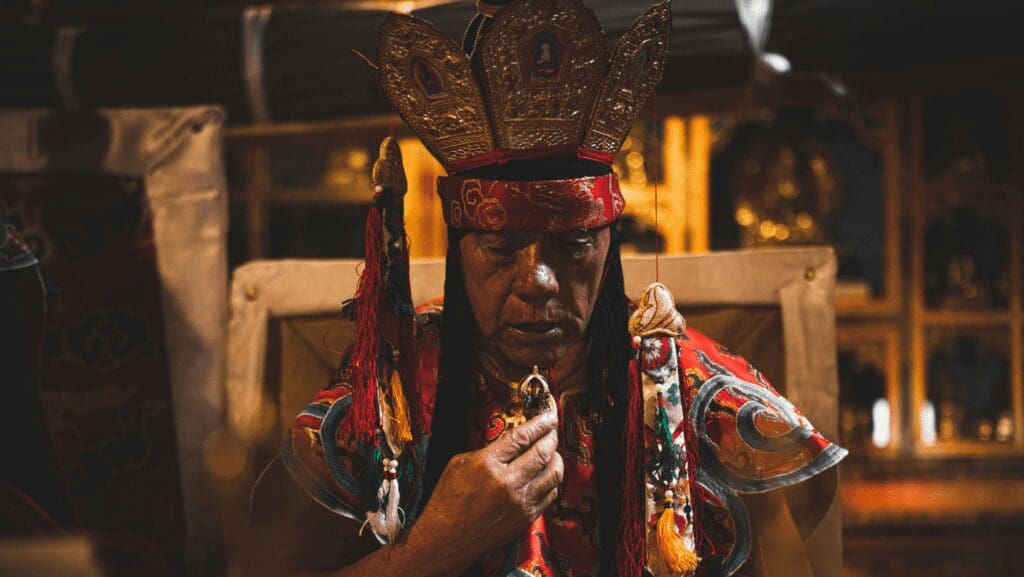
In traditional Amazonian shamanism (curanderismo), Ayahuasca is not viewed as a recreational drug, but as a living, conscious plant teacher (plantas con madre).
For centuries, Indigenous groups across the Amazon basin, including the Shipibo-Conibo, Asháninka, and Tukano peoples, have emphasized La Dieta (the retreat diet). Historically, severe diets were undertaken by apprentice curanderos (healers) to build spiritual discipline, clear somatic toxins, and form an energetic relationship with the spirit of the plants.
When you prepare your body and mind before an ayahuasca ceremony, you are practicing an ancient tradition of showing respect to the medicine, the lineage of the healers, and the sacred space of the ceremony.
This is where how to prepare for ayahuasca ceremonies becomes not just helpful but absolutely vital.
What To Eat Before Ayahuasca?
Many retreats recommend following an ayahuasca dieta before ceremony. The purpose is not simply to "cleanse" the body, but to support digestion, reduce potential interactions, and create a focused mindset before the experience.
Foods recommended - Focus on fresh, simple, whole foods:
- Fresh fruits
- Vegetables
- Whole grains
- Light meals
- Plenty of water and herbal tea
- Lean protein
Always follow the specific recommendations provided by your retreat facilitator.
What to Avoid Before Ayahuasca?
• 2 Weeks Before (Mandatory Medical Clearance): Stop all pharmaceutical antidepressants (SSRIs, SNRIs, MAOIs), sleeping pills, decongestants, and recreational drugs. Note: Always taper off medications under a doctor’s direct supervision.
• 1 Week Before: Eliminate alcohol, cannabis, pork, cured meats, aged cheeses, fermented soy products (miso, tofu, soy sauce), and overripe fruits.
• 3–5 Days Before: Eliminate red meat, heavy oils/fried foods, refined sugars, excess salt, spicy foods, caffeine, and sex/masturbation (to preserve physical energy according to traditional protocols).
Mental & Emotional Prepareation for Ayahuasca
Mental preparation for ayahuasca is just as important as physical preparation. The experience can bring up intense emotions, memories, sensations, or insights, so entering with awareness and emotional stability is essential. Navigating an Ayahuasca journey requires psychological flexibility and a willingness to surrender control.
Clarify Your Intentions (Not Expectations)
- Intentions vs. Expectations: An intention is a guiding compass (e.g., "I open myself to processing my grief" or "I seek clarity on my life direction"). An expectation is a rigid demand (e.g., "I want to see visual dragons and heal my anxiety in 2 hours").
- Write It Down: Spend the week leading up to the ceremony journaling about what you are ready to release and what you hope to invite into your life.
Practice Surrender and Breathwork
- Learn to Yield: Ayahuasca often brings up uncomfortable physical sensations or suppressed emotional memories. Fighting the experience escalates anxiety. Practice telling yourself: "I am safe; I surrender to this process."
- Anchor to Your Breath: Deep, slow diaphragmatic breathing is your primary tool during ceremony to steady your nervous system if the experience becomes overwhelming.
Reduce Digital and Mental Noise
- Digital Detox: At least 3 to 5 days before your ceremony, minimize exposure to social media, violent media, news, and stressful work environments.
- Mindfulness: Spend time in nature, practice light yoga, or engage in quiet meditation to slow down your baseline brain activity.
Medical Safety and Contraindications for Ayahuasca
Your safety must always come first. Ayahuasca can be dangerous or fatal if combined with specific medical conditions or medications.
High-Risk Medications
- Antidepressants (SSRIs/SNRIs): Combining these with Ayahuasca can trigger Serotonin Syndrome, a potentially fatal condition.
- Stimulants & Blood Pressure Meds: Adderall, Ritalin, and antihypertensives interact dangerously with MAOIs.
- OTC Medicines: Cough syrups containing Dextromethorphan (DXM) and antihistamines must be strictly avoided.
Psychological Contraindications
Ayahuasca is not safe for individuals with a personal or family history of:
- Schizophrenia or active psychosis
- Bipolar I disorder
- Borderline Personality Disorder (BPD) or severe dissociative conditions
Related: Ayahuasca Safety: Who Should Avoid Ayahuasca.
What Should You Do the Night Before Ayahuasca?
The night before ceremony, many participants benefit from:
- Eating a light meal
- Getting adequate rest
- Drinking enough water
- Avoiding unnecessary stimulation
- Spending time reflecting on intentions
- Arriving with an open and calm mindset
Avoid trying to force a specific outcome. Preparation is about creating the right conditions, not controlling the experience.
Ready to Begin?
If you feel called to plant medicine work and want to prepare with clarity, safety, and authentic guidance, explore our ayahuasca retreat at Aloee Wellness. With a focus on conscious preparation, experienced facilitation, and ongoing integration, your journey is supported every step of the way!
Frequently Asked Questions about Ayahuasca Preparation
Most traditional centers recommend starting a basic diet 1 to 2 weeks prior to your ceremony. However, tapering off prescription medications (like antidepressants) must begin 4 to 6 weeks in advance under strict medical supervision.
If you accidentally consume small amounts of salt or oil, do not panic (stress causes more harm than minor dietary slips). However, if you consume high-tyramine foods (like aged cheese or wine) or recreational drugs, inform your retreat facilitators immediately so they can monitor your blood pressure and physical safety.
In traditional Amazonian medicine, sexual activity is believed to disperse your vital life energy (prana or qi). Refraining from sexual activity 3 to 7 days before and after a ceremony helps conserve physical stamina and maintains energetic boundaries for the experience.
It is best to taper off caffeine 3 to 5 days before ceremony. Caffeine stimulates the central nervous system, which can increase anxiety during the onset of the medicine and cause headaches during the preliminary fasting phase.
Why Aloee Wellness is your safe Guide to ayahuasca in Mexico
When stepping into sacred work with ayahuasca, the quality of the space, and those who hold it, makes all the difference. At Aloee Wellness, participants are supported by a team with over ten years of direct experience facilitating authentic ayahuasca ceremonies rooted in both Amazonian and Mayan traditions.
Led by vetted facilitators, traditional shamans, and trauma-informed integration specialists, Aloee Wellness offers a ceremonial container that balances ancient wisdom with modern safety. Each ceremony is held in a protected jungle sanctuarie near Cancún or Tulum, a space intentionally designed to support deep inner work while ensuring comfort and physical well-being.

What Sets Aloee Wellness Apart
- Lineage and Training: Every facilitator is extensively trained, many directly through traditional apprenticeship with indigenous elders, and brings years of hands-on ceremonial experience.
- Medical Screening & Safety Protocols: A thorough intake process helps ensure each participant is physically and emotionally prepared. Medical staff are available on-site when needed.
- Authenticity with Integrity: Ceremonies are conducted in alignment with ancestral principles while honoring the personal growth paths of a diverse global community.
Ready to Begin?
If you feel called to plant medicine work and want to prepare with clarity, safety, and authentic guidance, explore our ayahuasca retreat at Aloee Wellness. With a focus on conscious preparation, experienced facilitation, and ongoing integration, your journey is supported every step of the way!
About the Author
This article was created by the team at Aloee Wellness, a holistic healing platform specializing in plant medicine healing, holistic wellness, and integrative healing experiences.
Our practitioners bring together experience in plant medicine, private healing retreats, and somatic practices, supporting individuals through deep emotional and personal transformation.
We combine ancient healing traditions with modern understanding of the mind-body connection to create safe, intentional spaces for lasting change.
Disclaimer
This content is for informational purposes only and does not constitute medical advice. Holistic healing practices, including mindfulness and plant medicine, are not a substitute for professional medical treatment. Always consult a qualified healthcare provider regarding any medical condition or treatment decisions.