Across cultures and centuries, humans have turned to sacred plants not merely for healing, but for revelation, for glimpses into the depths of the psyche and the mysteries of existence. Among the most powerful and widely discussed are ayahuasca and iboga, two plant medicines rooted in profoundly different traditions yet united by their capacity to catalyze transformation. Conversations around ayahuasca vs iboga are no longer confined to Indigenous ceremonies or small spiritual circles; today, seekers travel across continents, booking retreats in the Amazon or attending an ayahuasca ceremony in Mexico, while others turn to iboga ceremonies for help with addiction, trauma, or the search for meaning.
And yet, despite their growing visibility, the distinctions between these two plants are often misunderstood. To compare ayahuasca vs iboga is to explore not just chemistry and effects, but cosmology, tradition, safety, and the very nature of healing. This article will guide you through their origins, benefits, risks, and the many considerations involved, offering a comprehensive perspective for anyone curious about the path of plant medicine.
What are Ayahuasca and Iboga?
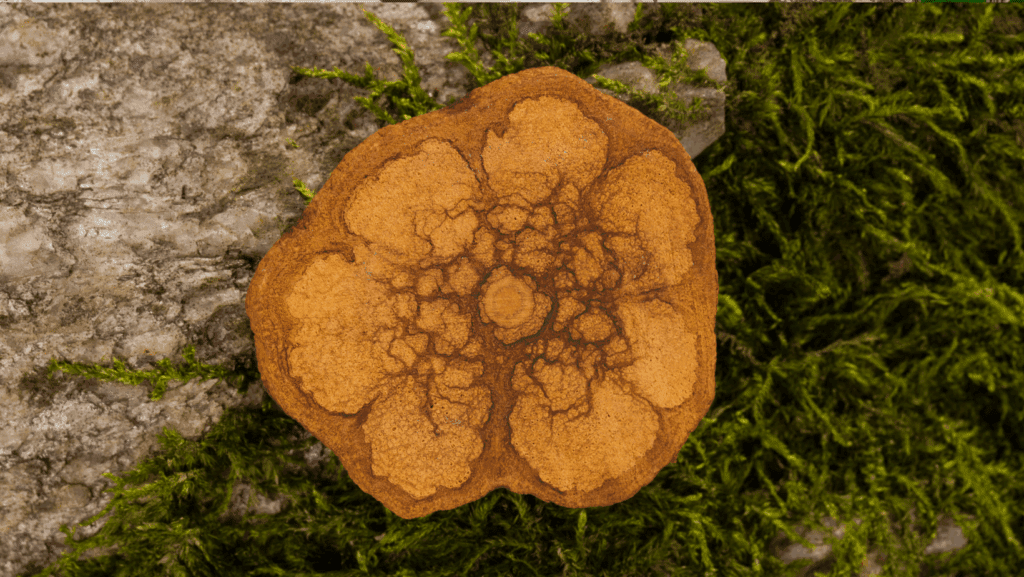
Ayahuasca: The Visionary Amazonian Brew
Ayahuasca is a psychoactive combination of the Banisteriopsis caapi vine and Psychotria viridis leaves, traditionally used by Amazonian Indigenous communities for centuries. The vine contains harmala alkaloids, which inhibit MAO enzymes in the gut, making DMT from the leaves orally active. This biochemical synergy produces intense visionary states, often described as both emotional catharsis and spiritual communion.
In a traditional ayahuasca ceremony, the shaman prepares the brew, guides participants, and uses ritual songs (icaros) to navigate the emotional and visionary terrain. Participants may experience:
- Emotional release through crying, shaking, or vomiting
- Vivid visionary imagery, including symbolic visions, ancestral guidance, or encounters with archetypes
- Deep insight into personal patterns, relationships, and life purpose
- Enhanced creativity, intuition, and mindfulness
Modern retreats, especially in Mexico and South America, maintain the integrity of these practices while adding therapeutic support, group guidance, and integration sessions. Ayahuasca microdosing has also emerged, providing subtle cognitive and emotional benefits without full visionary experiences.
Iboga: The African Plant of Clarity
Iboga comes from the root bark of Tabernanthe iboga, a sacred plant used in the Bwiti religion of Gabon, Cameroon, and surrounding regions. The primary alkaloid, ibogaine, interacts with multiple neurotransmitter systems including serotonin, dopamine, NMDA, and opioid receptors, producing profound introspection and neurological reset.
Iboga ceremonies are intensive and structured:
- The participant consumes the root bark or ibogaine extract
- A long, often 12–24 hour, introspective journey unfolds
- Participants review their life choices, confront destructive habits, and gain clarity on past behaviors
- Music, chanting, and ceremonial guidance provide spiritual context and emotional support
Note: It’s important to distinguish between iboga, the whole plant used in traditional Bwiti ceremonies for spiritual and personal transformation, and ibogaine, the isolated alkaloid studied in clinical contexts for addiction treatment. While iboga emphasizes ritual, reflection, and long-term behavioral growth, ibogaine is primarily associated with medical applications, such as reducing cravings and alleviating withdrawal symptoms. Choosing between these medicines depends on whether you seek emotional and spiritual insight or direct, practical transformation.
Benefits of Ayahuasca and Iboga
Understanding ayahuasca vs iboga benefits is key to choosing the right medicine for your goals. Both are powerful plant medicines, but they work differently and offer different types of transformation.

Ayahuasca Benefits
- Emotional Healing: Ayahuasca is effective at bringing deep-seated emotions to the surface. Many participants experience crying, shaking, or vomiting as part of a physical and spiritual release. This process helps release trauma, grief, anxiety, and long-term stress. Clinical and anecdotal evidence shows that repeated ceremonies can improve mood, reduce depression, and relieve symptoms of PTSD. The combination of guided support and visionary experiences helps you confront emotional wounds safely and effectively.
- Spiritual Insight: Ayahuasca provides clear spiritual guidance. Participants often see visions, archetypal figures, or ancestral presences. These experiences can shift your sense of purpose, values, and worldview. The ceremonial context and shamanic guidance make these insights practical, helping you apply them in real life rather than just experiencing them symbolically.
- Creative and Cognitive Boost: Ayahuasca enhances creativity, intuition, and focus. Visionary experiences inspire problem-solving and new ways of thinking. For those who microdose, subtle cognitive and emotional benefits can continue in daily life, improving focus, balance, and clarity without intense visions.
- Integration Potential: The real power comes from integration. Journaling, therapy, and lifestyle changes after ceremonies help you apply the insights to your life. Without integration, lessons can fade, but with it, visions become lasting growth.
Iboga Benefits
- Behavioral Clarity and Life Review: Iboga gives direct insight into your life patterns. During the journey, you review key life events, uncover hidden behaviors, and recognize choices that have held you back. This process provides clarity and an actionable understanding of what needs to change.
- Addiction Recovery: Ibogaine, the main active compound, is effective at reducing cravings and withdrawal symptoms. Studies show it can help with opioids, alcohol, and stimulant addictions. When combined with post-ceremony support, iboga offers a rare chance for a neurological reset and lasting behavioral change.
- Actionable Guidance: Iboga is structured and practical. Unlike ayahuasca, which focuses on emotional release, iboga helps you plan clear next steps for changing habits, repairing relationships, or restructuring your life.
- Spiritual Grounding: Iboga connects you to ancestral wisdom and personal authenticity. Its lessons are concrete and grounded, making it easier to apply insights in your daily life.
Key Differences Between Ayahuasca and Iboga
Generally speaking, ayahuasca opens the heart. It’s ideal for emotional healing, spiritual growth, and creative inspiration. On the other hand, Iboga sharpens the mind, offering clarity, self-confrontation, and structured change. Your choice should match whether you want emotional release and spiritual insight or direct, actionable life transformation.
Here’s a closer look at the key differences:
Duration:
- Ayahuasca ceremonies usually last 4–6 hours, with most of the effects experienced during the session itself. This shorter timeframe allows participants to process emotions and visions in a contained, guided setting.
- Iboga journeys are longer and more intense, often lasting 12–24 hours, with lingering introspective effects that can continue for several days. This extended duration allows for a full life-review experience, giving participants ample time to confront deep-seated behaviors and gain actionable insights.
Effects on Consciousness:
- Ayahuasca primarily induces visions, emotional release, and symbolic experiences. Participants may see archetypal figures, ancestral presences, or abstract imagery, often accompanied by strong emotional catharsis. These effects support emotional healing, spiritual growth, and enhanced creativity.
- Iboga, by contrast, emphasizes cognitive clarity and life review. Participants gain a clear, sometimes intense, perspective on past decisions, recurring patterns, and behaviors that may have limited personal growth. Unlike the visionary and emotionally fluid nature of ayahuasca, iboga offers structured insight that can be directly applied to life choices.
Physical and Emotional Demands:
- Ayahuasca can involve purging, nausea, and intense emotional experiences, which are considered part of the cleansing process. While these effects can feel challenging, they are generally manageable under experienced ceremonial guidance.
- Iboga is more physically demanding and carries higher risks, especially for individuals with cardiovascular or pre-existing health conditions. The intensity of the experience requires medical supervision and careful preparation, making it better suited for experienced seekers ready for deep self-confrontation.
Cultural Context:
- Ayahuasca is deeply rooted in Amazonian shamanism. Ceremonies often involve guided rituals, sacred songs (icaros), and intentional settings that support emotional and spiritual exploration.
- Iboga is central to the Bwiti tradition of Central Africa, where it is used for initiation, spiritual grounding, and community rituals. Its ceremonial context emphasizes structured guidance, introspection, and connection to ancestral wisdom, grounding insights in actionable understanding.
Therapeutic Focus:
- Ayahuasca excels in emotional healing, spiritual exploration, and creative inspiration, helping participants process trauma, gain insight, and connect to their inner and outer world.
- Iboga excels in addiction recovery, behavioral restructuring, and life transformation, providing participants with clear strategies to break harmful cycles, reevaluate choices, and implement sustainable changes.
How to Choose Between Ayahuasca and Iboga
Choosing between ayahuasca and iboga comes down to your goals, experience, and readiness. Both plant medicines are powerful tools for transformation, but they work in very different ways. Understanding their strengths and applications ensures you select the one that aligns with your needs.
Emotional Healing and Spiritual Growth:
- Ayahuasca is ideal if your primary goal is to process unresolved emotions, trauma, or grief.
- Its visionary effects facilitate emotional release, helping participants confront fears, past wounds, and deep-seated anxiety in a structured environment.
- It supports spiritual exploration, enabling insights into life purpose, personal values, and existential questions.
- Those seeking creative or reflective inspiration may find that ayahuasca enhances intuition, mindfulness, and problem-solving abilities.
Addiction Recovery and Behavioral Reset:
- Iboga is better suited for participants looking to break destructive patterns or addictive behaviors.
- Its life-review process offers structured introspection, allowing participants to recognize harmful habits and make conscious changes.
- Clinical studies show ibogaine can reduce cravings, alleviate withdrawal symptoms, and support neurological reset, particularly for opioid, alcohol, or stimulant dependencies.
- Beyond addiction, iboga provides actionable guidance, helping participants plan concrete steps to restructure their daily habits and relationships.
First-Time Plant Medicine Users:
- Ayahuasca is generally more approachable for beginners, with effects that are intense but manageable under ceremonial guidance.
- Iboga is physically and mentally demanding, requiring medical supervision and prior preparation. It is not recommended for first-time users without support.
Experienced Seekers Seeking Radical Self-Confrontation:
- Iboga is ideal for those ready for deep, structured self-examination.
- Participants often experience intense life-review sessions that reveal patterns, choices, and behaviors they may have ignored for years.
- The insights gained are grounded in practical, actionable outcomes, helping individuals implement real-life changes rather than only symbolic or emotional understanding.
Creative or Reflective Goals:
- Ayahuasca is especially effective for participants looking to enhance creativity, intuition, and reflective thinking.
- Microdosing protocols can extend benefits beyond the ceremonial setting, providing sustained clarity, focus, and emotional balance in daily life.
- It encourages participants to explore new perspectives, improve problem-solving, and strengthen emotional resilience.
Physical and Emotional Readiness:
- Ayahuasca may involve purging, emotional intensity, and temporary physical discomfort, but it is generally manageable with proper guidance and preparation.
- Iboga is more physically taxing, and participants must be medically cleared and mentally prepared for extended introspection and life-review experiences.
In summary:
- Ayahuasca opens the heart—perfect for emotional healing, spiritual growth, and creative exploration.
- Iboga sharpens the mind—ideal for behavioral clarity, addiction recovery, and actionable life transformation.
- Your choice should reflect what type of change you are seeking, your experience level, and your willingness to engage with the intensity of each medicine.
If you are drawn to ayahuasca for emotional and spiritual growth, consider experiencing an authentic ayahuasca ceremony in Mexico at Aloee Wellness. Guided by experienced facilitators in a safe and supportive environment, these ceremonies provide the structure, care, and intentionality needed to fully harness the transformative power of ayahuasca, helping participants integrate deep emotional release, spiritual insight, and personal growth into their everyday lives.