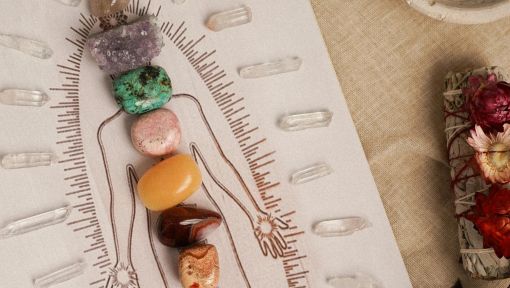
Trauma can leave deep imprints not only on the mind but also on the body. Many people seek tools that support healing, nervous system regulation, and integration of intense emotional experiences, especially after chronic stress, life-altering events, or deep introspective work such as plant medicine ceremonies or somatic practices.
Healing crystals are subtle but powerful tools that can support these practices by acting as energetic anchors, helping to soothe intense emotions, increase self-awareness, and provide a sense of safety. This guide explores the top 10 crystals for trauma, their benefits, and how to use them safely, so you can integrate them into your daily routine or during moments of deep emotional work.
Why Crystals Can Be Transformative in Trauma Recovery
Crystals have been valued for centuries in cultures around the world for their perceived ability to influence energy, consciousness, and healing. In trauma recovery, they serve as more than decorative objects—they can help individuals:
- Ground the mind and body: Trauma can create a sense of disconnection from the body. Crystals, especially grounding stones, help anchor attention and restore a sense of safety.
- Contain and manage emotions: Certain stones can create an energetic container that allows individuals to process intense emotions without feeling overwhelmed.
- Support reflection and integration: After emotionally intense experiences, such as plant medicine ceremonies or therapy sessions, crystals can help consolidate insights and stabilize emotional energy.
- Calm the nervous system: Many crystals carry subtle vibrations that can encourage relaxation and reduce physiological arousal associated with trauma.
- Focus intention: Holding or meditating with a crystal can reinforce mindfulness and strengthen the connection between intention and action.
Trauma-sensitive integration of crystals involves intentionality, awareness of personal energy responses, and supportive routines that combine mental, emotional, and physical practices.
How to Choose the Best Crystals for Trauma
Selecting the right crystal for trauma work is a deeply personal process. The stone that feels calming and supportive for one person may feel uncomfortable or overwhelming for another. Key principles include:
- Intuition first: Trust your instinct when choosing a crystal. If a stone resonates with you or draws your attention, it is likely to support your healing process.
- Set clear intentions: Before using a crystal, articulate your goal. Examples include “I want to feel safe in my body” or “I want to release tension in my heart and mind.” Intentions help channel energy and focus during practice.
- Cleanse regularly: Crystals can hold residual energy from previous uses. Cleansing methods include rinsing with water (if safe for the stone), placing in sunlight or moonlight, or smudging with sage, palo santo, or sound.
- Integrate with supportive practices: Crystals are most effective when combined with mindfulness, meditation, journaling, breathwork, somatic exercises, or plant medicine integration.
- Observe your responses: Monitor how your body and mind react to a crystal. If a stone feels too intense or draining, it’s okay to set it aside or try a different approach.
Top 10 Healing Crystals for Trauma
Here are the best crystals for emotional stability, and how to use them safely for trauma healing.
1. Black Tourmaline – Protection, Grounding, and Stability
Black tourmaline has long been revered in multiple cultures as a protective stone. In ancient traditions, it was believed to absorb negative energy, shield against environmental stressors, and promote emotional stability. Trauma can leave survivors feeling scattered or vulnerable, and black tourmaline provides a grounding anchor that can help re-establish a sense of stability in both mind and body.
Benefits of black tourmaline:
- Anchors scattered or hyperactive energy, helping to restore equilibrium.
- Absorbs negative or overwhelming energy from the environment.
- Provides subtle nervous system support, calming fight-or-flight responses.
- Serves as a physical reminder to remain present and intentional in challenging situations.
Practical Applications of black tourmaline:
- Daily Carry: Keep a small piece in your pocket, purse, or under your pillow for continuous grounding support.
- Meditative Practice: Hold the stone while seated or lying down, visualizing roots extending from your body into the earth. This reinforces feelings of stability and safety.
- Home Placement: Place larger pieces near entryways, workspaces, or bedrooms to cultivate a protective energetic environment.
Integration Tips for black tourmaline:
- Pair with slow, deep breathing or gentle stretching to reinforce grounding and nervous system regulation.
- Use after emotionally triggering experiences or plant medicine sessions to re-establish balance.
- Incorporate into daily routines, such as morning meditation or bedtime reflection, to maintain consistent support.
2. Amethyst – Calming the Mind and Supporting Emotional Clarity
Amethyst has been valued across cultures for its calming and clarifying properties. Ancient texts and crystal healing traditions describe it as a stone of mental clarity and emotional balance. For trauma survivors, amethyst helps reduce anxiety, quiet racing thoughts, and create space for emotional processing.
Benefits of Amethyst:
- Reduces stress and mental overwhelm, supporting emotional regulation.
- Encourages insight and reflection, aiding integration of traumatic experiences.
- Promotes restful sleep and calm dreams.
- Enhances meditation, journaling, and mindfulness practices.
Practical Applications of Amethyst:
- Meditation: Hold the amethyst or place it on the third eye during mindfulness practices to encourage insight and clarity.
- Sleep Support: Place under your pillow or on a bedside table to promote restful sleep and dreamwork.
- Journaling: Keep near your writing space to maintain focus and clarity during reflection.
Integration Tips for Amethyst:
- Combine with slow, intentional breathing or guided visualization exercises to calm the nervous system.
- Pair with grounding stones like black tourmaline to balance amethyst’s subtle, high-frequency energy.
- Use after plant medicine integration work to support insight consolidation and emotional stability.
3. Rose Quartz – Self-Love, Compassion, and Emotional Healing
Rose quartz is often referred to as the “stone of unconditional love.” Across cultures, it has been associated with emotional healing, compassion, and self-care. Trauma can leave individuals with deep-seated feelings of shame, self-criticism, or emotional numbness. Rose quartz encourages gentleness toward oneself and others, fostering a sense of acceptance and emotional openness.
Benefits of rose quartz:
- Promotes self-compassion and emotional healing.
- Encourages forgiveness and acceptance of past experiences.
- Supports heart-centered practices, enhancing emotional awareness.
- Softens fear-based emotional responses and strengthens resilience.
Practical Applications of Rose Quartz:
- Heart Chakra Placement: Place rose quartz over the heart during meditation to enhance emotional openness and awareness.
- Daily Carry: Wear as jewelry or keep a small stone in your pocket as a reminder to practice self-care and compassion.
- Ritual Integration: Use in morning or evening routines to reinforce intentional self-care practices, such as gentle affirmations or mindful breathing.
Integration Tips for Rose Quartz:
- Pair with journaling prompts like “I am safe” or “I honor my emotions” to support emotional processing.
- Incorporate into breathwork or somatic exercises that focus on chest expansion, heart opening, and emotional release.
- Use after intense emotional experiences to help integrate lessons and maintain emotional equilibrium.
4. Obsidian – Safe Emotional Release and Protective Shielding
Overview and Context:
Obsidian, a volcanic glass formed from rapidly cooled lava, has been used for centuries as a protective and grounding stone. Ancient cultures valued it for its capacity to shield against negative energy and aid in self-reflection. In trauma recovery, obsidian acts as a safe conduit for processing stored emotional patterns that may feel overwhelming if released too abruptly. It is particularly effective for deep introspection, shadow work, and post-trauma integration, offering both containment and clarity for intense emotional experiences.
Benefits:
- Facilitates deep emotional exploration while providing a protective energetic container.
- Enhances self-awareness and insight by reflecting hidden patterns in a gentle, non-judgmental way.
- Promotes safe emotional release, preventing overwhelm during processing.
- Encourages grounding after intense mental or emotional activation, supporting nervous system regulation.
Practical Applications:
- Hold obsidian during journaling, therapy sessions, or contemplative practices to provide emotional containment.
- After intense emotional or plant medicine experiences, place obsidian on your bedside table or keep it in your pocket to re-establish grounding.
- Meditate with obsidian by visualizing energy gently moving from your body into the stone, allowing emotional tension to settle safely.
- Use caution if you are sensitive to strong energy; avoid placing large pieces under the pillow or near the bed if you are prone to vivid or intense dreams.
Integration Tips:
- Pair obsidian with softer stones such as rose quartz or amethyst to create a balanced emotional environment that combines protection with compassion.
- Combine with breathwork and slow body scans to safely release stored tension.
- Incorporate obsidian into post-plant medicine integration routines to help stabilize insights and emotions, providing a tangible anchor for reflective processing.
5. Smoky Quartz – Stress Relief and Rooting
Smoky quartz is a grounding stone formed from quartz with natural radiation exposure, giving it a dark, earthy hue. Throughout history, it has been revered for its ability to absorb and neutralize negative energies. Trauma often leaves survivors in a state of hypervigilance or mental tension, and smoky quartz is particularly effective at anchoring scattered energy, reducing anxiety, and providing a sense of emotional stability. Its calming energy creates a subtle buffer between the external world and your inner emotional state, fostering a grounded, secure presence.
Benefits of smoky quartz:
- Anchors fragmented energy, promoting mental and emotional stability.
- Reduces stress, tension, and hyperarousal.
- Supports reflective practices, meditation, and integration of emotional experiences.
- Encourages grounding, making it easier to stay present in the body during challenging moments.
Practical Applications of smoky quartz:
- Keep smoky quartz near workspaces, bedrooms, or living areas for consistent grounding energy.
- Place a piece at the base of the spine during meditation or breathwork to reinforce stability.
- Combine with slow, mindful breathing exercises to support nervous system regulation.
- Use during emotionally triggering situations to restore composure and prevent overwhelm.
Integration Tips of smoky quartz:
- Pair with gentle movement practices, such as yoga, tai chi, or walking meditation, to embody grounding physically and energetically.
- Integrate smoky quartz into daily routines, placing it in spaces where you need ongoing support for emotional balance.
- Use in combination with reflective journaling or post-plant medicine integration sessions to solidify emotional insights in a safe and stabilized way.
6. Selenite – Clarity and Calm
Selenite is a soft, translucent crystal known for its high vibrational energy and ability to clear negative energy. Historically, it has been used to purify spaces, support meditation, and enhance spiritual clarity. For trauma survivors, selenite offers a gentle, non-intrusive energy that promotes calm reflection and emotional processing without overstimulation. Its subtle vibrations make it ideal for individuals sensitive to intense energies.
Benefits of selenite:
- Clears energetic blockages in the body and environment.
- Enhances meditation, journaling, and other reflective practices.
- Encourages emotional calmness and mental clarity.
- Supports safe, trauma-informed emotional processing without triggering overwhelm.
Practical Applications of selenite:
- Place selenite wands in meditation or journaling areas to promote clarity.
- Use selenite to energetically cleanse other crystals, maintaining supportive energy.
- Hold a piece during meditations to encourage insight and mental clarity.
- Keep a small piece on your bedside table to support a calm, reflective atmosphere during rest.
Integration Tips for selenite:
- Pair with grounding stones such as black tourmaline or smoky quartz to balance its high vibrational energy.
- Integrate selenite into post-plant medicine integration sessions to help stabilize emotional and mental experiences.
- Use for sensitive individuals who need calm energy while processing trauma or reflecting on emotional patterns.
7. Labradorite – Inner Strength and Transformation
Labradorite is a highly reflective feldspar mineral known for its shimmering iridescence, sometimes called “labradorescence.” Historically, it was considered a protective and transformational stone, helping guide individuals through change and personal growth. In trauma recovery, labradorite supports resilience, shields sensitive energy, and fosters trust in one’s own inner strength, making it ideal for reflection, personal insight, and integration of challenging emotional experiences.
Benefits of labradorite:
- Enhances inner strength and personal resilience.
- Provides energetic shielding against overwhelm.
- Supports reflection, insight, and self-awareness.
- Encourages trust in intuition and personal transformation.
Practical Applications of labradorite:
- Carry labradorite during challenging emotional or social situations to reinforce personal boundaries.
- Use after therapy or plant medicine sessions to support insight integration.
- Meditate with labradorite, visualizing protective light surrounding your body, reinforcing emotional and energetic security.
- Place near personal workspaces to encourage calm focus and reflective awareness.
Integration Tips for labradorite:
- Pair with grounding stones like smoky quartz to balance its transformative energy.
- Combine with breathwork, yoga, or gentle movement to help embody resilience physically.
- Integrate into reflective journaling practices to reinforce personal growth and self-trust.
8. Carnelian – Courage and Resilience
Carnelian is a vibrant orange or reddish crystal historically valued for motivation, courage, and vitality. Trauma often undermines confidence, personal power, and proactive engagement with life. Carnelian helps rebuild empowerment, stimulate courage, and support emotional resilience, providing a tangible anchor for confidence during challenging experiences.
Benefits of Carnelian:
- Boosts courage, confidence, and emotional resilience.
- Encourages proactive engagement with personal growth and healing.
- Supports motivation and goal-oriented behavior.
- Enhances energy, vitality, and personal empowerment.
Practical Applications of carnelian:
- Wear carnelian jewelry during challenging social or emotional situations.
- Place on the solar plexus chakra during meditation to reinforce inner strength.
- Use during movement practices like yoga, dance, or martial arts to embody empowerment physically.
- Incorporate into goal-setting or action-oriented journaling exercises to maintain motivation.
Integration Tips for carnelian:
- Combine with grounding stones to balance energized courage with stability.
- Integrate into daily routines for consistent support in emotional fortitude and confidence.
- Use during reflective practices to strengthen proactive healing behaviors and emotional resilience.
9. Blue Lace Agate – Calming Communication
Blue lace agate is a pale blue crystal known for its gentle energy and supportive role in facilitating safe communication. Trauma often impairs self-expression, making it difficult to articulate emotions or set boundaries. Blue lace agate encourages calm, thoughtful expression and creates a sense of ease in verbalizing difficult emotions.
Benefits of blue lace agate:
- Promotes safe, clear, and calm emotional expression.
- Reduces stress and anxiety during communication.
- Supports reflective insight and emotional articulation.
- Enhances verbal clarity and trust in self-expression.
Practical Applications of blue lace agate:
- Hold during therapy or emotionally charged conversations to support calm communication.
- Wear as jewelry to maintain gentle energy throughout the day.
- Meditate with blue lace agate to release blocked or suppressed emotions.
- Place in creative or reflective spaces to encourage clarity of expression.
Integration Tips for blue lace agate:
- Pair with journaling exercises or voice work to safely articulate emotions.
- Combine with mindful breathing to enhance communication without triggering stress.
- Use daily to reinforce patterns of clear, calm emotional expression.
10. Fluorite – Mental Clarity and Emotional Organization
Fluorite is a stabilizing and clarifying crystal, often used historically for focus, learning, and energetic organization. Trauma can scatter thoughts and emotions, leaving survivors feeling overwhelmed. Fluorite supports mental clarity, rational processing, and emotional organization, making it an effective tool for reflective and integrative practices.
Benefits of fluorite:
- Enhances focus, concentration, and mental clarity.
- Supports emotional balance and organization.
- Encourages reflective insight and processing of emotional experiences.
- Assists in integrating trauma-related insights safely and effectively.
Practical Applications of fluorite:
- Keep on desks, study areas, or meditation spaces to maintain clarity.
- Meditate while holding fluorite to promote insight and reflective awareness.
- Pair with journaling exercises to organize thoughts and emotions post-trauma.
- Use in post-plant medicine integration routines to consolidate insights and stabilize energy.
Integration Tips for fluorite:
- Combine with grounding stones to maintain balanced energy while processing.
- Use during reflective practices, therapy sessions, or journaling exercises.
- Incorporate into daily routines to reinforce mental clarity, organization, and emotional regulation.
Frequently Asked Questions About Healing Crystals for Trauma
No, healing crystals are complementary tools, not replacements for professional mental health care. Trauma is complex and may require therapy, somatic work, or medical support. Crystals provide additional support by grounding emotions, enhancing focus, and providing a tangible anchor for reflection, but they work best in conjunction with established therapeutic practices.
Crystal selection is a combination of intuition, personal resonance, and intended use. Pay attention to which stones draw your attention or feel calming. Consider your goals—do you need grounding, emotional clarity, courage, or calm communication? Setting intentions before use enhances their effectiveness.
Crystals absorb energy from their environment, so regular cleansing is important. Methods include:
-Rinsing in water (if the stone is safe for water)
-Smudging with sage, palo santo, or incense
-Placing in moonlight or sunlight (depending on the stone)
-Using other cleansing crystals like selenite wands
Cleanse crystals after emotionally intense sessions, post-plant medicine ceremonies, or if they have been handled by multiple people.
Start gently and observe your body’s response. Some stones (like obsidian) carry strong, reflective energy that can feel intense. Pair them with softer, soothing stones like rose quartz or amethyst. Use grounding exercises such as slow breathing, gentle stretching, or mindful walking to stabilize energy. If any crystal feels overwhelming, pause or try a different stone.
Frequency depends on personal needs. Some people benefit from daily use during meditation, journaling, or mindful routines. Others may prefer to use them only during intense emotional work or plant medicine integration. Consistency supports energetic stability, but the key is intentional, trauma-sensitive use rather than obligation.