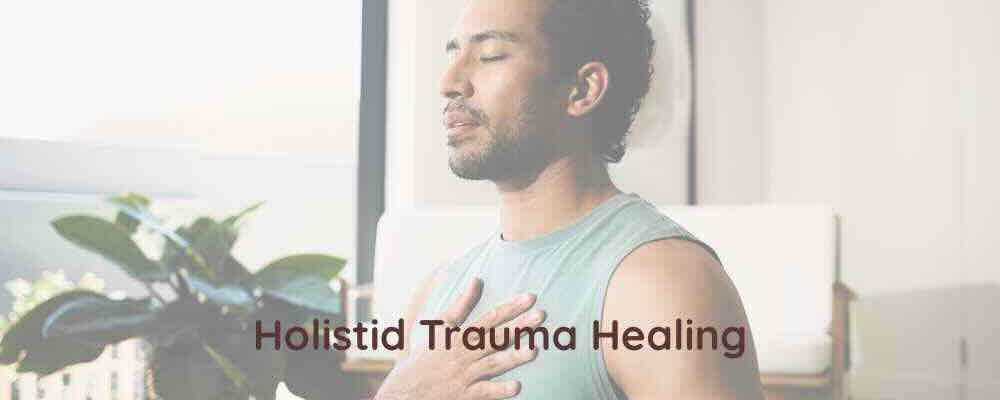
Trauma can shape the way we think, feel, and relate to the world. Holistic healing offers a comprehensive approach to address these deep-seated emotional patterns. By understanding what trauma is, how it affects the body and brain, and exploring trauma release techniques, you can begin a journey toward emotional freedom and transformation.
Understanding Trauma: What It Is and Where It’s Stored in the Body
Trauma is a complex, multifaceted issue that affects millions of people worldwide. Trauma refers to emotional or psychological responses to experiences that overwhelm the nervous system. It can result from acute events, chronic stress, or early-life experiences. It can stem from various sources, as serious as childhood abuse, accidents, natural disasters, or war, and it could also seem very “normal” everyday events such as absent parents during childhood, a forgotten birthday, or a divorce during a child’s formative years. One child’s trauamatic imprint may not bother a different child at all, depending on their genetic build, personality or social circumstances. But one thing is for certain: when left unaddressed, trauma often festers, manifesting in numerous mental health issues like anxiety, depression, and post-traumatic stress disorder (PTSD).
Trauma isn’t just in the mind; it’s often stored in the body, in areas like the gut, shoulders, or jaw, affecting posture, energy, and emotional regulation.
The traditional Western medical approach tends to focus on symptom management through medication and talk therapy. While these methods can be effective, they frequently fail to address the deep-rooted causes of trauma, leaving individuals in a cycle of temporary relief followed by recurring distress.
How Trauma Affects the Brain and Nervous System
Trauma changes how the brain processes stress and emotions. It impacts the brain in profound ways, altering its structure and function. The amygdala, responsible for emotional regulation, becomes hyperactive, while the prefrontal cortex, which governs rational thought, may become underactive. This imbalance can lead to heightened states of anxiety, hypervigilance, and emotional dysregulation. Over time, neural pathways reinforce fear, hypervigilance, and reactive behaviors. Additionally, trauma affects the body’s stress response system, leading to chronic inflammation and a host of physical ailments. Understanding these biological impacts is crucial for developing effective, long-term healing strategies.
Moreover, trauma can sever the connection between mind, body, and spirit. This disconnection often manifests as a sense of fragmentation or feeling “stuck” in the past. Traditional Western approaches may not fully address this holistic disconnection, focusing primarily on the cognitive and emotional aspects while neglecting the spiritual and physical dimensions. This is where holistic healing, including the use of plant medicine, offers a more integrated approach that aims to heal the whole person rather than just alleviating symptoms.
Key Insight: Recognizing where trauma is stored helps guide holistic healing practices that integrate body and mind.
Trauma systems therapy works to recalibrate these patterns, helping the nervous system regain balance. Holistic approaches, including mindfulness, somatic therapy, and plant medicine, can support the brain in forming healthier emotional and cognitive patterns.
Holistic Healing Approaches for Trauma Release
Holistic healing seeks to treat the individual as a whole, therefore, it combines mind, body, and spirit techniques to release stored trauma. Unlike conventional treatments that may focus solely on symptom management, holistic approaches aim to address the root causes of trauma. This comprehensive strategy not only alleviates symptoms but also fosters a deeper sense of well-being and integration. Techniques such as yoga, meditation, and acupuncture are often employed to restore balance and harmony within the individual.
Integrating Mind, Body, and Spirit in Healing
In the realm of trauma release, holistic healing offers several advantages. First, it acknowledges the interconnectedness of mind, body, and spirit, which is crucial for addressing the multifaceted nature of trauma. Second, it empowers individuals to take an active role in their healing journey, fostering a sense of agency and self-efficacy. Finally, holistic methods often incorporate community and social support, which are vital for overcoming the isolation and alienation frequently experienced by trauma survivors.
Techniques for Trauma Release
Common holistic healing practices include:
- Somatic therapy: Releases physical tension associated with trauma
- Meditation and breathwork: Regulates the nervous system
- Plant medicine sessions: Accesses deep emotional layers for healing
- Mind-body exercises: Yoga, movement, and energy work to restore flow
These practices are often integrated in healing retreats, providing a supportive environment for deep trauma release.
The Role of Plant Medicine in Trauma Recovery
Plant medicine, a cornerstone of many holistic healing practices, has gained increasing recognition for its potential to heal deep-seated trauma. These natural remedies work synergistically with the body’s innate healing mechanisms, offering a more harmonious and less invasive alternative to pharmaceuticals. By addressing the root causes of trauma on multiple levels, plant medicine provides a comprehensive approach to healing that aligns with the principles of holistic health.
Plant medicine operates on a unique principle: the idea that plants contain natural compounds capable of interacting with the human body’s physiological and psychological systems. These compounds, known as phytochemicals, can modulate neurotransmitters, reduce inflammation, and promote neurogenesis—the growth of new neural connections. This multifaceted mode of action makes plant medicine particularly effective for addressing the complex biochemical imbalances associated with trauma.
One of the key ways plant medicine works is by enhancing neuroplasticity, the brain’s ability to reorganize itself by forming new neural connections. Trauma often disrupts this natural process, leading to rigid patterns of thought and behavior. Compounds found in certain plants, such as psilocybin in magic mushrooms or DMT in ayahuasca, have been shown to stimulate neuroplasticity, thereby helping individuals break free from maladaptive patterns and develop healthier coping mechanisms.
Additionally, plant medicines can facilitate emotional processing and release. Many trauma survivors struggle with repressed emotions and unresolved grief. Plant medicine ceremonies, often guided by experienced practitioners, create a safe space for individuals to confront and process these buried emotions. This can lead to profound emotional release, catharsis, and ultimately, healing. By working on both the biological and emotional levels, plant medicine offers a comprehensive approach to trauma recovery.
Benefits of Using Plant Medicine for Trauma Healing
The benefits of using plant medicine for trauma healing are manifold. First and foremost, these natural remedies offer a more holistic approach, addressing the root causes of trauma rather than merely masking symptoms. This leads to more sustainable and long-lasting healing outcomes. Plant medicines can also enhance emotional resilience, helping individuals develop healthier coping mechanisms and improve their overall quality of life.
Another significant benefit is the potential for spiritual growth and transformation. Many plant medicines have been used for centuries in indigenous cultures for their spiritual and healing properties. These substances can facilitate deep introspection and a sense of connection to something greater than oneself. This spiritual dimension is often overlooked in conventional treatments but is crucial for achieving a sense of wholeness and integration.
Moreover, plant medicine can complement other healing modalities, such as psychotherapy and bodywork. For instance, individuals who have undergone plant medicine ceremonies often report that subsequent talk therapy sessions are more productive. The insights gained from plant medicine experiences can provide valuable material for therapeutic exploration, helping individuals make sense of their trauma and integrate their experiences. This synergistic effect enhances the overall efficacy of the healing process.
Common Types of Plant Medicines Used for Healing
Several plant medicines have gained recognition for their therapeutic potential in trauma healing. One of the most well-known is ayahuasca, a powerful brew traditionally used by indigenous tribes in the Amazon Basin. Ayahuasca contains DMT, a potent psychoactive compound that facilitates deep emotional and spiritual exploration. Many individuals report profound insights and emotional release following ayahuasca ceremonies, making it a popular choice for trauma healing.
Another widely used plant medicine is psilocybin, the active ingredient in magic mushrooms. Psilocybin has been shown to promote neuroplasticity and emotional resilience, making it particularly effective for treating depression and PTSD. Clinical studies have demonstrated that even a single dose of psilocybin can lead to significant and lasting improvements in mental health, highlighting its potential as a powerful tool for trauma recovery.
Cannabis is another plant medicine that has gained traction for its therapeutic properties. Known for its calming effects, cannabis can help alleviate anxiety and promote emotional well-being. It can also enhance mindfulness and introspection, making it a valuable adjunct to other healing practices like meditation and yoga. With the increasing legalization and acceptance of cannabis, more individuals are discovering its benefits for trauma healing.
Integrating Plant Medicine into a Holistic Healing Practice
Integrating plant medicine into a holistic healing practice requires careful planning and consideration. It is essential to approach these powerful substances with respect and intention, recognizing their potential for both healing and harm. One of the first steps is to seek guidance from experienced practitioners who can provide support and create a safe environment for the experience. This may involve participating in guided ceremonies or working with a therapist trained in plant medicine integration.
Another crucial aspect is preparation and integration. Preparing for a plant medicine experience involves setting clear intentions, creating a safe and comfortable setting, and addressing any potential psychological or physical contraindications. Following the experience, integration is key to making sense of the insights gained and incorporating them into daily life. This may involve journaling, therapy, or joining a support group to share experiences and receive guidance.
It’s also essential to consider the legal and ethical implications of using plant medicine. While some substances like cannabis are legal in many areas, others like psilocybin and ayahuasca may not be. Understanding the legal landscape and sourcing these medicines responsibly is crucial for ensuring a safe and ethical practice. By approaching plant medicine with mindfulness and respect, individuals can harness its healing potential while minimizing risks.
Personal Stories: Transformative Experiences with Plant Medicine
Personal stories of transformation can provide powerful insights into the healing potential of plant medicine. One such story is that of Sarah (we changed her real name to protect her identity), a trauma survivor who struggled with chronic PTSD for years. After conventional treatments failed to provide lasting relief, Sarah turned to ayahuasca. During a guided ceremony, she experienced a profound emotional release and gained new insights into her trauma. This experience marked the beginning of her healing journey, leading to significant improvements in her mental health and overall well-being.
Another compelling story is that of James (we changed his real name to protect his identity), a military veteran who battled severe depression and anxiety following his service. Traditional therapies offered little relief, prompting James to explore psilocybin therapy. Under the guidance of a trained therapist, James participated in several psilocybin sessions, during which he confronted and processed his traumatic experiences. The insights gained from these sessions helped James develop healthier coping mechanisms and regain a sense of purpose and meaning in his life.
These personal stories highlight the transformative power of plant medicine when used responsibly and with proper guidance. They underscore the importance of a holistic approach to healing, one that addresses the mind, body, and spirit. By sharing these experiences, we can inspire others to explore alternative healing modalities and foster a greater understanding of the potential of plant medicine for trauma recovery.
Conclusion: Embracing a Holistic Approach to Healing Trauma
In conclusion, the journey to healing trauma is a deeply personal and multifaceted process. While traditional Western approaches have their place, they often fall short of addressing the root causes of trauma and fostering long-term healing. Holistic healing, with its emphasis on the interconnectedness of mind, body, and spirit, offers a more comprehensive approach. Plant medicine, as part of this holistic framework, provides a powerful tool for addressing the deep-seated wounds of trauma.
Ultimately, embracing a holistic approach to healing trauma involves recognizing the complex interplay of factors that contribute to our well-being. It requires a commitment to addressing not just the symptoms but the root causes of our pain. By doing so, we can achieve a deeper sense of wholeness and integration, paving the way for true and lasting healing.
Frequently Asked Questions About Holistic Healing for Trauma
Holistic healing integrates mind, body, and spirit to address trauma at its root. Practices like somatic therapy, meditation, and plant medicine work together to release emotional blocks and restore balance.
Trauma impacts both mind and body, creating tension, emotional dysregulation, and stress patterns. It’s often stored in the muscles, gut, or nervous system, affecting posture, energy, and emotional responses.
Trauma can overactivate the amygdala, impair the prefrontal cortex, and reinforce fear-based neural pathways. Trauma systems therapy and holistic practices help recalibrate the brain for emotional balance.
Trauma release involves techniques that help the body and mind process and release unresolved emotional patterns. Methods include somatic therapy, breathwork, movement, and guided plant medicine experiences.
Trauma is commonly stored in areas where stress is held: the chest, gut, shoulders, jaw, or nervous system. Body-centered therapies help release these stored patterns.
This therapy addresses how trauma affects neural and emotional systems, focusing on creating healthy responses and regulation patterns, often paired with holistic and experiential techniques.
Guided Plant medicine experiences for trauma healing helps access deep emotional layers, supporting nervous system regulation, emotional release, and long-term transformation.
About the Author
This article was created by the team at Aloee Wellness, a holistic healing platform specializing in plant medicine healing, holistic wellness, and integrative healing experiences.
Our practitioners bring together experience in plant medicine, immersive healing retreats, and somatic practices, supporting individuals through deep emotional and personal transformation.
We combine ancient healing traditions with modern understanding of the mind-body connection to create safe, intentional spaces for lasting change.
Disclaimer
This content is for informational purposes only and does not constitute medical advice. Holistic healing practices, including mindfulness and plant medicine, are not a substitute for professional medical treatment. Always consult a qualified healthcare provider regarding any medical condition or treatment decisions.