
Ayahuasca is a traditional plant medicine from the Amazon rainforest that has been used for centuries in Indigenous ceremonial practices for spiritual exploration, healing, and connection.
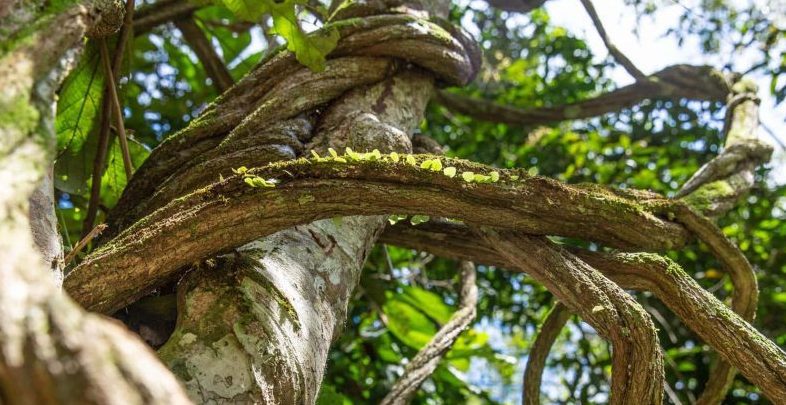
The word ayahuasca refers to a sacred brew traditionally made from Banisteriopsis caapi vine and other companion plants such as Psychotria viridis. The ayahuasca ceremony is guided by experienced practitioners and is approached as a spiritual practice rather than a recreational experience.
In this guide, we explore what ayahuasca is, how it works, what people experience during an ayahuasca journey, its potential benefits, and important safety considerations.
What Is Ayahuasca
Ayahuasca is a traditional Amazonian plant medicine that has been used for centuries by Indigenous communities throughout Peru, Brazil, Colombia, Ecuador, and other regions of South America.
The brew is typically prepared using two plants:
- Banisteriopsis caapi vine
- Chacruna leaves (Psychotria viridis)
Together, these plants create a powerful psychoactive experience that can lead to profound emotional, psychological, and spiritual insights.
Unlike recreational substances, ayahuasca has traditionally been used in ceremonial settings for healing, connection, and self-discovery.
What Ayahuasca Does
One of the most common questions people ask is: What ayahuasca does to your body and mind?
The answer varies from person to person, but ayahuasca often creates a temporary altered state of consciousness that allows individuals to experience thoughts, emotions, memories, and insights from a different perspective.
Ayahuasca's primary psychoactive compound is DMT (N, N-dimethyltryptamine), a powerful hallucinogen that occurs naturally in many plants and animals, including humans. When consumed, DMT interacts with serotonin receptors in the brain, particularly the 5-HT2A receptor, which is known to play a significant role in regulating mood, cognition, and perception. This interaction induces altered states of consciousness, characterized by vivid visual and auditory hallucinations, a heightened sense of introspection, and profound emotional experiences.
Research has shown that Ayahuasca can significantly alter brain activity, enhancing connectivity between different regions of the brain and modulating the default mode network (DMN). The DMN is associated with self-referential thinking and mind-wandering, and its modulation during Ayahuasca experiences is believed to facilitate a sense of ego dissolution and interconnectedness with the universe.
Many participants report:
- Deep emotional releases
- Enhanced self-awareness
- Vivid visions and imagery
- Spiritual experiences
- Increased empathy and compassion
- Greater clarity about life decisions
- A stronger connection to nature and others
Beyond its immediate psychoactive effects, Ayahuasca has been shown to have therapeutic potential for various mental health conditions, including depression, anxiety, and PTSD. Studies suggest that Ayahuasca can promote neuroplasticity, the brain's ability to reorganize and form new neural connections, which is crucial for learning, memory, and recovery from psychological trauma. Additionally, the intense emotional catharsis and insights gained during Ayahuasca ceremonies can lead to lasting changes in perspective and behavior, fostering a greater sense of well-being and spiritual fulfillment. Many people describe the experience as years of therapy compressed into a few hours.
However, ayahuasca is not always comfortable. The medicine often encourages participants to confront unresolved emotions, fears, limiting beliefs, and painful memories that may be preventing growth. This is one reason many people describe ayahuasca as challenging but ultimately rewarding.
In Mexico, Ayahuasca has found a new home, blending with local customs and spiritual practices. The country's rich history of shamanism and indigenous healing modalities, such as those practiced by the Huichol and Mazatec peoples, provides a fertile ground for the integration of Ayahuasca ceremonies. These ceremonies are often led by experienced shamans who guide participants through the journey, ensuring a safe and transformative experience. The cultural significance of Ayahuasca in Mexico is thus a testament to the enduring power of indigenous wisdom and the universal quest for spiritual enlightenment.
The growing interest in Ayahuasca among Westerners has also led to a deeper appreciation of these indigenous practices. As more people seek alternative forms of healing and personal growth, there is a renewed respect for the knowledge and traditions of indigenous communities. This cultural exchange not only enriches the experience of those who participate in Ayahuasca ceremonies but also helps preserve and honor the heritage of the indigenous people who have safeguarded this sacred medicine for generations.
Interested in experiencing ayahuasca safely? Learn what happens during ayahuasca retreats. Or
Ayahuasca Meaning and its Cultural Significance in Indigenous Communities
Understanding the ayahuasca meaning helps explain why this medicine is considered sacred by many cultures. Ayahuasca, often referred to as "the vine of the soul," has been an integral part of indigenous cultures in the Amazon basin for centuries. These communities, including the Shipibo-Conibo, Ashaninka, and Mestizo shamans, have long revered Ayahuasca for its profound spiritual and healing properties.
The word "ayahuasca" comes from the Quechua language:
- Aya = soul, spirit, ancestor, or deceased person
- Huasca = vine or rope
The most common translation is "Vine of the Soul" or "Vine of the Spirits."
This name reflects the belief that ayahuasca can help individuals connect with deeper aspects of themselves, gain wisdom, heal emotional wounds, and access expanded states of consciousness.
For Indigenous healers, ayahuasca is not simply a substance. It is considered a teacher, guide, and medicine that facilitates healing on physical, emotional, mental, and spiritual levels.
The brew is used in ceremonial contexts to connect with the spiritual realm, communicate with ancestors, and gain insights into the natural world. The rituals surrounding Ayahuasca are deeply embedded in the traditions and cosmologies of these indigenous groups, highlighting the interconnectedness of all life forms and the importance of harmony with nature.
Ayahuasca Benefits: How Ayahuasca Heals
The healing benefits of Ayahuasca extend far beyond its immediate psychoactive effects, offering profound spiritual and psychological insights that can lead to lasting transformation. Although research is still evolving, many participants report significant benefits from their experiences.
1. Emotional Healing
One of the most frequently reported ayahuasca benefits is emotional healing. On a psychological level, Ayahuasca offers significant therapeutic benefits, particularly for those struggling with mental health issues such as depression, anxiety, and PTSD. The intense emotional catharsis that often accompanies Ayahuasca journeys can help individuals confront and process deep-seated traumas and unresolved emotions. By bringing these buried feelings to the surface, Ayahuasca allows participants to release negative patterns and gain new perspectives on their lives. The insights gained during the journey can lead to greater self-awareness, emotional healing, and positive changes in behavior and thought patterns.
Many individuals describe:
- Releasing stored emotions
- Processing unresolved trauma
- Reducing self-judgment
- Developing greater self-compassion
2. Increased Self-Awareness
Ayahuasca often shines a light on unconscious patterns and behaviors.
This can help people identify:
- Self-sabotaging habits
- Relationship challenges
- Limiting beliefs
- Emotional triggers
Greater awareness creates opportunities for meaningful personal growth.
3. Clarity and Direction
People often attend ayahuasca retreats during periods of uncertainty.
Many participants report gaining:
- Greater confidence
- Clearer priorities
- Improved decision-making
- A renewed sense of purpose
4. Spiritual Growth
For many people, ayahuasca facilitates experiences of connection, gratitude, and expanded awareness. One of the most significant spiritual benefits of Ayahuasca is the sense of connection it fosters with the divine and the natural world. Participants often report experiencing a deep sense of unity and interconnectedness, feeling as though they are part of a larger cosmic tapestry. This sense of oneness can lead to a greater appreciation for life, a renewed sense of purpose, and a more profound understanding of the interconnectedness of all beings. Many people find that their Ayahuasca experiences deepen their spiritual practices, enhancing their connection to their higher selves and the universe.
5. Physical Health Improvement
In addition to its spiritual and psychological benefits, Ayahuasca also has physical healing properties. Some participants report improvements in chronic health conditions, such as autoimmune diseases, digestive disorders, and chronic pain, after undergoing Ayahuasca ceremonies. While the exact mechanisms behind these physical healings are not fully understood, the combination of the purging process, the deep emotional release, and the overall realignment of energy within the body contributes to improved physical health.
The ayahuasca Journey: What Happens During an Ayahuasca Ceremony
What's Ayahuasca like is often described as a journey into the depths of one's consciousness, a profound exploration of the inner self that can bring about significant spiritual and psychological transformation.
Every ayahuasca journey is unique. Some people experience profound visual experiences. Others may have deeply emotional journeys with few visual effects. Some report spiritual revelations, while others gain practical insights about relationships, career decisions, or personal habits.
A typical ayahuasca journey often unfolds in stages:
- Ayahuasca Intention Setting
- Drinking the Ayahuasca Brew
- The Ayahuasca Experience Begins
- Peak Experience: Emotional and Spiritual Exploration
- Ayahuasca Integration
Related: Learn more about How Does Ayahuasca Feel Like.
Ayahuasca: Why do people do it
The growing popularity of ayahuasca retreats reflects a broader desire for meaningful healing and transformation.
People choose to drink Ayahuasca primarily seeking profound emotional healing, spiritual insight, and self-discovery that traditional therapies haven't achieved. Many are driven by a desire to address deep-seated psychological challenges, such as depression, anxiety, trauma, and addiction. By using the ayahuasca ceremonies as a catalyst to safely process suppressed memories and emotions. Beyond clinical healing, seekers undergo the ritual to gain a heightened sense of purpose, break unhelpful behavioral patterns, and experience a powerful feeling of interconnectedness with nature and humanity.
Ayahuasca retreats are particularly popular in Peru, Costa Rica, Colombia, Brazil, and Mexico, where participants can experience the medicine in environments closely connected to its traditional roots.
Ayahuasca Safety Considerations and Risks
While Ayahuasca has the potential to offer profound healing and transformation, it is essential to approach its use with caution and awareness of the potential risks involved. One of the primary ayahuasca safety considerations is the physical and mental health of the participant. Ayahuasca is not suitable for individuals with certain medical conditions, such as heart problems, high blood pressure, severe mental health disorders, or a history of psychosis. Participants must disclose their medical history and any medications they are taking to the shaman or facilitator to ensure that Ayahuasca is safe for them to use. At Aloee Wellness, we offer complimentary health screening prior to your booking to ensure your safety.
Another important safety consideration is the setting in which Ayahuasca ceremonies takes place. It is essential to choose a reputable retreat center or shaman who has experience and a thorough understanding of the Ayahuasca tradition. The facilitator should have a proven track record of conducting safe and effective ceremonies and should provide clear guidelines and support throughout the process. The environment where the ceremony takes place should be comfortable, secure, private, and free from distractions, allowing participants to fully immerse themselves in their journey.
The psychological and emotional intensity of the Ayahuasca experience can also pose risks. It is not uncommon for participants to experience challenging and sometimes terrifying visions and emotions during their journeys. While these experiences can lead to significant healing and growth, they can also be overwhelming and difficult to process. Having a trusted and experienced shaman or facilitator present to provide guidance and support is crucial for navigating these intense moments. Additionally, participants should have access to integration support after the ceremony to help them process and integrate their experiences into their daily lives.
Related: Ayahuasca Safety: Who Should Avoid Ayahuasca and Retreat Safety.
Common Misconceptions About Ayahuasca
Myth 1: Ayahuasca is Drug
One of the most common ayahuasca myths is that it’s simply a hallucinogenic drug people use for recreational purposes. While it’s true that Ayahuasca induces vivid visions and alters states of consciousness, calling it just a drug oversimplifies its profound effects. Ayahuasca is a sacred plant medicine with a deep spiritual and therapeutic purpose, often consumed in the context of ayahuasca ceremonies led by trained facilitators. The active compounds in the brew, primarily DMT and harmine, interact with the brain to open the mind, allowing individuals to access repressed emotions, unresolved trauma, and hidden aspects of their psyche.
This process often leads to deep introspection and healing. Instead of serving as a quick, temporary escape like typical recreational drugs, ayahuasca acts as a powerful tool for personal growth, offering insights that can help participants confront long-standing emotional challenges, process difficult life experiences, and achieve greater self-awareness. The journey with this incredible Amazonian plant can be intense, but its benefits, both psychological and spiritual, are often transformative and long-lasting.
Myth 2: ayahuasca is dangerous and unsafe
Another common misconception is that Ayahuasca is inherently dangerous. In reality, when taken in a controlled, properly guided setting, it is generally safe for most individuals. Ayahuasca ceremonies are conducted under the supervision of trained or experienced healers or facilitators who create a safe environment for healing. The setting plays a crucial role in ensuring safety, as well-structured ayahuasca retreats provide emotional and psychological support throughout the experience. However, it’s important to note that individuals with pre-existing health conditions or those on certain medications should consult with a healthcare professional before participating, as there can be potential interactions. Therefore, thorough health screening and expert guidance for the experience are necessary.
Myth 3: ayahuasca offers instant Healing
One of the most common myths surrounding ayahuasca is the belief that it can offer immediate healing, a "quick fix" to deep-rooted issues, or leading to sudden, profound spiritual awakening. However, ayahuasca is not a magic solution or a one-time cure-all. While the ayahuasca ceremonies can indeed lead to powerful emotional and psychological revelations, it is important to understand that the journey of healing and self-discovery is far more complex and ongoing. During an Ayahuasca journey, participants may receive deep insights into their emotions, past traumas, or life purpose, but these insights are only the beginning.
The effects on the brain and emotional state are not instantaneous. Real, lasting change takes time, often requiring continuous reflection, integration, and inner work long after the ceremony ends. Healing is a gradual process, with ayahuasca offering a catalyst for personal growth that unfolds over a longer period. Participants may need ongoing support and time to incorporate the teachings from their experience into their everyday lives, making transformation a sustained journey rather than an immediate shift. In addition, while ayahuasca can be a powerful tool for healing and personal growth, it's not a substitute for professional mental health treatment.
Myth 4: Ayahuasca Ceremonies are always intense or get me "high"
While ayahuasca experience CAN be very intensive with vivid visions and intense psychedelic effects, it doesn't have to be, or always will be. The ayahuasca experience varies by the individual condition, as well as external control. When used in a control environment, such as in a guided ayahuasca ceremony, participants can stay in a very mild, conscious state with out experiencing any "high", while still receiving insights, deep reflection and emotional healing. The healing effect and psychedelic effect of ayahuasca happen simultaneously, but one does not need to be "high" in order to receive ayahuasca's healing benefits.
Myth 5: All Ayahuasca Ceremonies are the Same
A common myth is that all ayahuasca ceremonies are the same, but this couldn't be further from the truth. The ceremonies can vary greatly depending on the facilitator, the location, and the tradition followed. While there are common elements, such as the preparation, consumption, and integration phases, the overall experience can differ greatly. For example, in a traditional Amazonian ceremony, an indigenous shaman or curandero leads the participants through the experience, often incorporating prayers, songs (called icaros), and spiritual guidance passed down through generations.
In contrast, Ayahuasca retreats outside the Amazon, such as those in Mexico, may be led by experienced facilitators who combine traditional techniques with Western approaches to healing. Even the preparation of the Ayahuasca brew can vary. Some facilitators might adjust the proportions of the plants or add other ingredients to customize the experience. Again, some ceremonies may focus on healing, while others may emphasize spiritual growth or community bonding. While many lack sufficient introductions, the truly effective ones always take time to prepare the participants before the rituals and the consumption. As a result, you need to research the specific retreat or ceremony you're considering to ensure it aligns with your expectations and personal needs. Learn more about the differences between various ayahuasca countries and traditions.
Finding the Best Ayahuasca Retreats in Mexico
Choosing the best Ayahuasca retreat is a crucial step in ensuring a safe and meaningful journey. Mexico is home to reputable ayahuasca retreats that offer authentic ayahuasca experience led by experienced facilitators.
For solo travelers and people who prefer a more customized, hand-holding experience, Aloee Wellness offers Private One Day Ayahuasca Retreats.
Frequently Asked Questions
Ayahuasca alters perception, thought processing, and emotion by stimulating serotonin receptors in the brain. It triggers vivid internal visualizations, emotional releases, heightened self-reflection, and temporary physiological effects like increased heart rate, sweating, and physical purging (vomiting or diarrhea). Learn More about Ayahuasca's Benefits.
Ayahuasca is made by slowly boiling the pounded stems of the Banisteriopsis caapi vine together with the leaves of the Psychotria viridis (Chacruna) plant in water for several hours or days, reducing it into a concentrated, bitter liquid brew.
People drink Ayahuasca seeking profound emotional healing, trauma recovery, spiritual insight, and personal growth. Many turn to it after conventional therapy or medications have failed to address deep-seated issues like depression, addiction, or a lack of life purpose.
Ayahuasca often shifts a person's perspective by helping them break rigid behavioral loops, forgive past traumas, and increase self-compassion. Post-ceremony, many report lasting increases in mindfulness, a stronger sense of connection to nature and others, and fundamental shifts in their values and lifestyle choices.
Yes. Clinical research and anecdotal evidence suggest Ayahuasca can significantly reduce symptoms of treatment-resistant depression. Its active compounds promote neural plasticity and help individuals process underlying emotional pain, though it works best when paired with post-ceremony integration therapy.
Yes, but with caveats. Ayahuasca can reduce long-term anxiety by helping people confront and process the root causes of their fears. However, during the ceremony itself, it can temporarily spike acute panic or anxiety before the emotional release occurs.
DMT activates serotonin receptors to induce visual and cognitive shifts, while the MAOIs in the vine temporarily disable the gut and brain enzymes that usually break DMT down. Simultaneously, Ayahuasca quiets the Default Mode Network (DMN), the brain network responsible for self-identity and ego, allowing different regions of the brain to communicate in novel ways and promoting neuroplasticity.
The acute psychoactive effects of Ayahuasca typically last between 4 to 6 hours, with the peak experience occurring around 1 to 3 hours after consumption. Learn more about How Long Does Ayahuasca Last.
A single Ayahuasca ceremony usually lasts 5 to 8 hours, starting in the evening and running until the primary effects wear off and participants can rest. Retreat programs typically span 3 to 10 days, incorporating multiple ceremonies spaced out across the week. Learn more about How Long Does Ayahuasca Last.
Participants gather in a dark room (maloca) guided by facilitators or shamans. After drinking the brew, participants lie down on mats as the shaman sings traditional healing songs (icaros). Over several hours, participants experience deep internal visions, emotional processing, and physical purging in a quiet, supervised setting. Learn more about What Happens during An Ayahuasca Ceremony.
Ayahuasca is completely legal and recognized as national cultural heritage in Peru, Colombia, Ecuador, and Brazil. It is in a grey area for Mexico, Costa Rica. In the United States, Canada, Australia and most of Europe, it is illegal under federal law, though specific religious organizations (like Santo Daime and the UDV) hold legal exemptions under religious freedom laws. Learn more about Ayahuasca Legality.
Ayahuasca is traditionally found in Amazonian countries, such as Peru, Brazil, Colombia, Ecuador, and Bolivia, at specialized retreat centers led by traditional healers or experienced facilitators. In North America and Europe, it is also held within specific legally protected religious churches (such as the UDV or Santo Daime in the US) or underground circles. Learn more about Where Is The Best Ayahuasca Retreats. Contact Aloee Wellness in Mexico for safe, authetentic and comfortable private ayahuasca retreats and ceremonies.
About the Author
This article was created by the team at Aloee Wellness, a holistic healing platform specializing in plant medicine healing, holistic wellness, and integrative healing experiences.
Our practitioners bring together experience in plant medicine, private healing retreats, and somatic practices, supporting individuals through deep emotional and personal transformation.
We combine ancient healing traditions with modern understanding of the mind-body connection to create safe, intentional spaces for lasting change.
Disclaimer
This content is for informational purposes only and does not constitute medical advice. Holistic healing practices, including mindfulness and plant medicine, are not a substitute for professional medical treatment. Always consult a qualified healthcare provider regarding any medical condition or treatment decisions.