
What Is a Peyote Ceremony?
A peyote ceremony is a sacred spiritual practice that has been carried out by Indigenous peoples of North America for thousands of years. At its center is the ceremonial use of peyote (Lophophora williamsii), a small cactus containing the naturally occurring psychedelic compound mescaline. Rather than being used recreationally, peyote is traditionally consumed within a structured ceremonial setting led by an experienced spiritual leader or medicine person.
For many Indigenous communities, peyote is regarded as a sacred teacher that supports prayer, self-reflection, healing, and a deeper connection with nature, ancestors, and the Creator. While ceremonies vary between traditions, they are generally approached with intention, respect, and spiritual discipline rather than entertainment.
Today, peyote ceremonies continue to play an important role within several Indigenous cultures and the Native American Church, while carefully guided ceremonies are also available in parts of Mexico where they are conducted in accordance with local laws and with respect for Indigenous traditions.
Quick Answers About Peyote Ceremonies
| Question | Answer |
|---|---|
| What is peyote? | A small cactus containing the naturally occurring psychedelic compound mescaline. |
| How long does a ceremony last? | Usually 8–12 hours, often beginning around sunset and ending the following morning. |
| Where are peyote ceremonies held? | Traditionally by Indigenous communities in Mexico and the United States. |
| What is the purpose? | Spiritual growth, healing, prayer, and self-reflection. |
| Is peyote legal? | Laws vary by country and jurisdiction. |
| Is everyone eligible? | No. Medical conditions, medications, and mental health history should be carefully reviewed before participating. |
What Is Peyote?
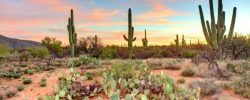
Peyote (Lophophora williamsii) is a small, slow-growing cactus native to the deserts of northern Mexico and the southwestern United States. Unlike most cacti, it has no spines and grows close to the ground in dry, rocky environments. Its rounded "buttons" contain mescaline, the primary psychoactive compound responsible for the altered state of consciousness experienced during a ceremony.
For Indigenous peoples, however, peyote is far more than a botanical species or psychedelic substance. It is considered a sacred medicine that has been honored for generations as part of ceremonies focused on prayer, healing, gratitude, and spiritual connection. Traditional teachings emphasize approaching peyote with humility and respect rather than seeking entertainment or escape.
Although mescaline produces profound changes in perception and awareness, many experienced practitioners believe the ceremonial setting, preparation, and guidance are just as important as the plant itself. The meaning participants derive from the experience is shaped not only by peyote but also by intention, community, music, and integration afterward.
The History of Peyote Ceremonies
Archaeological evidence suggests that peyote has been used ceremonially for more than 5,000 years, making it one of the oldest continuously practiced spiritual traditions in North America. Ancient peyote remains discovered in caves and archaeological sites indicate that Indigenous peoples recognized its ceremonial significance long before European contact.
Among the Wixárika (Huichol), Tarahumara (Rarámuri), Comanche, Apache, and several other Indigenous peoples, peyote became deeply woven into cultural and spiritual life. Ceremonies were traditionally held to seek guidance, give thanks, mark important life events, promote healing, and strengthen the relationship between people, nature, and the spiritual world. For many communities, annual pilgrimages to harvest peyote remain sacred traditions passed down through generations.
During the nineteenth century, increasing restrictions on Indigenous spiritual practices threatened many traditional ceremonies. In response, the Native American Church (NAC) emerged, helping preserve peyote as a central sacrament while blending Indigenous traditions with elements of Christianity. Today, the Native American Church continues to protect and preserve ceremonial peyote use for many Native American communities.
What Can I Do in A Peyote Ceremony?
While every Indigenous tradition has its own customs, prayers, and ceremonial practices, most peyote ceremonies follow a similar structure rooted in respect, intention, and spiritual guidance. Rather than focusing solely on the effects of peyote, the ceremony emphasizes the relationship between the participant, the medicine, the community, and the sacred space.
Unlike recreational psychedelic use, a peyote ceremony is guided by an experienced medicine person or spiritual leader who helps create a safe and intentional environment. The experience is often described as a journey of prayer, self-discovery, emotional healing, and spiritual reflection rather than simply consuming a psychoactive plant.
1. Preparation and Intention Setting
Preparation begins well before the ceremony itself. Many facilitators encourage participants to prepare physically, mentally, and emotionally by following a simple diet, limiting alcohol and recreational drugs, getting adequate rest, and reflecting on their intentions for the experience.
Setting an intention does not mean expecting a specific outcome. Instead, it involves approaching the ceremony with openness, humility, and a willingness to learn. Some people seek clarity during a life transition, while others come to process grief, reconnect with themselves, or deepen their spiritual practice.
Many Indigenous traditions also emphasize that respect for the medicine begins before it is consumed. Participants are encouraged to arrive with gratitude, honesty, and a genuine willingness to engage in the ceremonial process rather than expecting peyote to provide instant answers.
2. Opening the Ceremony
Peyote ceremonies are traditionally held in a sacred ceremonial space, often beginning around sunset and continuing through the night until sunrise. Depending on the tradition, the ceremony may take place in a tipi, ceremonial lodge, or another designated space where participants can remain undisturbed throughout the experience.
The ceremony is led by a medicine person or Indigenous healer (often referred to as a shaman) who guides participants through prayers, songs, and rituals that have been passed down through generations. Sacred music, drumming, chanting, and periods of silence help create a structured environment that supports reflection and spiritual connection.
Rather than directing each participant's experience, the facilitator's role is to maintain the ceremonial space, offer guidance when appropriate, and help ensure the ritual unfolds according to tradition.
3. Consuming Peyote
After the opening prayers, peyote is consumed as part of the ceremony. Depending on the tradition, it may be eaten as fresh or dried "buttons," brewed into a tea, or prepared in another traditional form. The amount consumed varies based on the ceremony, the participant's experience, and the guidance of the ceremony leader.
The effects generally begin within 30 to 60 minutes and may continue for 8 to 12 hours, although the exact duration varies between individuals. During this time, participants usually remain within the ceremonial space, where prayers, music, and quiet contemplation help guide the experience.
4. The Journey
As the effects deepen, many participants report entering an introspective state marked by heightened awareness, vivid imagery, emotional insight, and an increased sense of connection with themselves, nature, or something greater than themselves. Individual experiences vary widely, and no two ceremonies are exactly alike.
Some people spend much of the ceremony in quiet reflection, while others experience powerful emotions, meaningful personal insights, or a renewed sense of purpose. Music often plays a central role, with traditional songs and drumming providing rhythm, grounding, and spiritual guidance throughout the night.
Although profound experiences can occur, participants are generally encouraged not to chase visions or extraordinary experiences. Indigenous teachings often emphasize listening, observing, and allowing the ceremony to unfold naturally rather than trying to control it.
5. Integration After the Ceremony
Many experienced facilitators consider integration to be one of the most important parts of the entire process. While insights may arise during the ceremony, meaningful change often depends on how those lessons are applied afterward.
Following the ceremony, participants are encouraged to reflect on their experience, discuss important insights with their facilitator when appropriate, and gradually incorporate those lessons into daily life. Journaling, meditation, time in nature, and continued self-reflection are common integration practices.
For many people, healing is not viewed as a single event but as an ongoing process. The ceremony may provide perspective or clarity, but lasting transformation often comes through the consistent actions taken in the weeks and months that follow.
Every Peyote Ceremony Is Different
While many ceremonies share common elements, there is no single "standard" peyote ceremony. Rituals, prayers, preparation requirements, and ceremonial practices vary between Indigenous cultures, spiritual lineages, and facilitators. Some ceremonies place greater emphasis on prayer and community, while others focus more heavily on healing, personal reflection, or traditional teachings.
Anyone considering participating in a peyote ceremony should choose a reputable facilitator who respects Indigenous traditions, prioritizes participant safety, conducts appropriate health screenings, and provides guidance before and after the ceremony. Authentic ceremonies recognize that the experience extends beyond one night—it begins with thoughtful preparation and continues through intentional integration.
how is peyote used in religious ceremonies
For many Indigenous peoples of North America, peyote is not viewed as a recreational substance but as a sacred sacrament used in religious ceremonies to strengthen spiritual connection, offer prayers, seek guidance, and promote healing. The peyote ceremony is considered an act of worship, where participants gather with intention, humility, and respect for traditions that have been passed down for thousands of years.
One of the most well-known religious traditions involving peyote is the Native American Church (NAC), which combines Indigenous spiritual practices with elements of Christianity. During NAC ceremonies, peyote is consumed as a sacred medicine within a structured overnight ritual that includes prayer, singing, drumming, scripture, ceremonial teachings, and periods of quiet reflection. The ceremony is led by a trained spiritual leader, often called a shaman, who guides participants through each stage of the ritual.
Among Indigenous communities in Mexico, including the Wixárika (Huichol) people, peyote holds profound cultural and spiritual significance. It is regarded as a sacred teacher and a bridge between the physical and spiritual worlds. Traditional ceremonies may accompany pilgrimages to harvest peyote, giving thanks to nature, honoring ancestors, and seeking wisdom, healing, or guidance from the Creator. These practices are deeply rooted in Indigenous cosmology and are considered an essential part of preserving cultural identity.
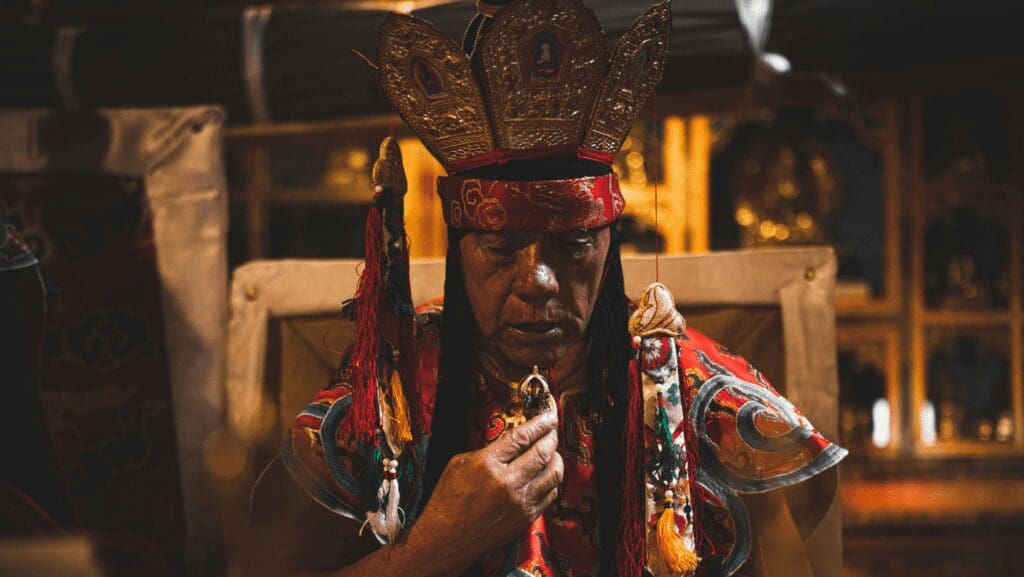
Although ceremonies vary between traditions, most share several common elements:
- Prayer and setting a clear spiritual intention
- Guidance from an experienced Indigenous healer or ceremonial leader
- Consuming peyote in a respectful ceremonial setting
- Sacred songs, drumming, or chanting
- Periods of meditation and personal reflection
- Community support and shared spiritual practice
- Integration and discussion after the ceremony
Rather than seeking visions alone, participants are encouraged to approach the ceremony with openness and respect. Many traditions teach that peyote serves as a spiritual teacher, helping individuals cultivate gratitude, self-awareness, compassion, and a deeper relationship with themselves, their community, and the natural world. The emphasis is not on the psychedelic effects themselves but on the spiritual lessons and personal growth that may arise through the ceremonial experience.
Respecting Indigenous Traditions: Peyote ceremonies are sacred religious practices with deep cultural significance. Anyone interested in participating should choose a reputable facilitator who honors Indigenous traditions, prioritizes participant safety, and approaches the medicine with respect rather than as a recreational or commercial experience.
Peyote Benefits: Spiritual Insights, Emotional Healing, and Personal Transformation
For thousands of years, Indigenous communities in North America have used peyote as a sacred plant medicine in spiritual and ceremonial contexts. The primary purpose of peyote ceremonies is not recreation, but connection — with oneself, the natural world, ancestral traditions, and the spiritual realm.
While scientific research on peyote is still limited, many participants describe profound personal experiences that may include emotional release, increased self-awareness, and a deeper sense of connection.
1. Deepened Self-Reflection and Self-Awareness
One of the most commonly reported benefits of peyote ceremonies is an enhanced ability to look inward. Participants often describe entering a reflective state where they can observe their thoughts, emotions, memories, and life patterns from a new perspective.
Many people seek peyote ceremonies during periods of transition, personal growth, or when they feel disconnected from themselves. The experience may help them explore questions about identity, purpose, relationships, and personal values.
2. A Greater Sense of Connection
Peyote has traditionally been viewed as a sacred medicine that helps strengthen the relationship between humans, nature, and the spiritual world.
During ceremonies, some participants report feelings of unity, compassion, gratitude, and interconnectedness. These experiences are often described as moving beyond the individual self and creating a deeper appreciation for life and the natural environment.
3. Emotional Release and Healing Experiences
Many people who participate in peyote ceremonies describe powerful emotional experiences, including the release of long-held feelings, memories, or personal struggles.
The ceremonial setting — often guided by experienced practitioners with traditional knowledge — provides a structured environment for reflection, prayer, meditation, and emotional processing.
It is important to understand that peyote is not considered a guaranteed treatment for mental health conditions. Instead, many people view it as a spiritual tool that may support personal exploration and emotional growth when approached responsibly.
4. Spiritual Growth and Expanded Perspective
A central aspect of peyote ceremonies is spiritual exploration. Participants often describe experiences of clarity, awe, humility, and a renewed sense of purpose.
Traditionally, peyote is used as a sacrament to seek guidance, strengthen community bonds, and develop a deeper understanding of one's place within the world.
5. Increased Mindfulness and Presence
Many people report that peyote ceremonies help them become more aware of the present moment. The experience may encourage slowing down, observing thoughts without judgment, and reconnecting with feelings that are often overlooked in everyday life.
For some, the insights gained during a peyote ceremony continue to influence their choices, relationships, and personal practices long after the ceremony ends.
About the Author
This article was created by the team at Aloee Wellness, a holistic healing platform specializing in plant medicine healing, holistic wellness, and integrative healing experiences.
Our practitioners bring together experience in plant medicine, immersive healing retreats, and somatic practices, supporting individuals through deep emotional and personal transformation.
We combine ancient healing traditions with modern understanding of the mind-body connection to create safe, intentional spaces for lasting change.
Disclaimer
This content is for informational purposes only and does not constitute medical advice. Holistic healing practices, including mindfulness and plant medicine, are not a substitute for professional medical treatment. Always consult a qualified healthcare provider regarding any medical condition or treatment decisions.