
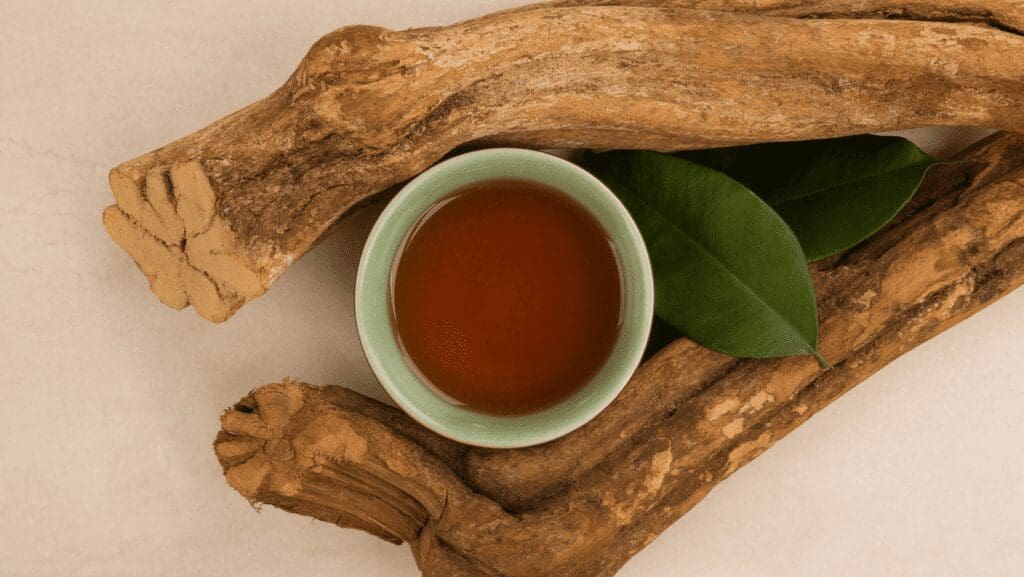
In recent years, the exploration of psychedelics and plant medicine has gained increasing attention, particularly among those seeking profound personal transformation, emotional healing, and an expanded state of consciousness. Within this realm, two of the most powerful and enigmatic substances are Ayahuasca and DMT (N, N-Dimethyltryptamine), both known for their capacity to induce deeply immersive and often life-altering experiences.
Are DMT and Ayahuasca the same?
While Ayahuasca contains DMT as its primary psychoactive component, the two substances differ significantly in how they are consumed, the duration of their effects, and their cultural significance.
Ayahuasca, a traditional plant-based brew used in Amazonian ceremonies, contains DMT and MAO inhibitors, which allow the compound to be orally active, leading to a prolonged and transformative journey. In contrast, DMT, often referred to as the "Spirit Molecule," is often smoked in its pure form, delivering a brief but intense experience that catapults users into alternate realities within minutes. This experience, while incredibly intense and often described as beyond language, is strikingly brief, typically lasting no more than fifteen minutes before fading, leaving the individual with lingering impressions of a reality that exists beyond ordinary perception. In short, though both involve DMT, the way each is experienced, as well as their individual effects, vary dramatically.
Whether you are drawn to the sudden and transcendent revelations that characterize the DMT experience or the more sustained, introspective depth of an Ayahuasca retreat in Mexico, understanding the key properties and what to expect from these two substances is essential for those seeking a transformative encounter that aligns with your personal intentions. In this article, we will examine the fundamental differences between DMT vs Ayahuasca, exploring not only their unique effects and spiritual significance but also the nature of the journeys they offer to those willing to embark upon them.
DMT vs Ayahuasca: Understanding the Basics
At their core, both Ayahuasca and smoked DMT (commonly know as Bufo Alvarius in Mexico), contain N, N-dimethyltryptamine (DMT), a naturally occurring psychedelic found in numerous plants, animals, and even the human brain. Despite sharing this key compound, the way each substance is ingested, metabolized, and experienced leads to profoundly different journeys—one being an instantaneous plunge into the unknown, the other a long, immersive exploration of the psyche.
What are the effects of Smoked or Vaped DMT?
When individuals smoke or vaporize DMT, it bypasses the digestive system and enters the bloodstream directly through the lungs. This results in an almost immediate onset, with peak effects within seconds to a minute, and an overall duration of just 5 to 15 minutes. Users often describe an experience so intense and fast-moving that it feels as though they are being catapulted into another dimension—a realm filled with:
- Vivid, kaleidoscopic visuals and intricate fractal patterns
- Encounters with sentient entities or higher-dimensional beings
- A sense of ego dissolution or merging with the universe
- Profound spiritual insights that feel deeply personal and beyond words
This form of DMT is often referred to as the "spirit molecule" due to its ability to induce hyper-real, mystical states within moments. However, because of its brevity, the experience can feel overwhelming, leaving little time for integration or reflection in the moment.
How does the Ayahuasca journey work?
Ayahuasca, on the other hand, offers a profoundly different approach to experiencing DMT. The Ayahuasca brew, traditionally used in Amazonian shamanic ceremonies, consists of two key components:
- A plant containing DMT, such as Psychotria viridis or Diplopterys cabrerana
- A plant containing monoamine oxidase inhibitors (MAOIs), such as Banisteriopsis caapi, which prevents the rapid breakdown of DMT in the digestive system
Because of this biochemical synergy, Ayahuasca's effects unfold gradually rather than explosively. The experience can last 4 to 8 hours, allowing for:
- Deep emotional release and introspection
- Long, visionary journeys with symbolic or archetypal imagery
- A connection to ancestral wisdom or a greater universal force
- The processing of past traumas and unresolved emotions
- A sense of healing and integration, often guided by traditional shamans
Unlike smoked DMT, which creates a rapid and detached encounter, Ayahuasca is highly interactive, requiring active engagement with the visions and emotions that arise. Physical purging (vomiting, crying, sweating) often accompanies the experience, serving as a form of spiritual and energetic cleansing rather than a side effect.
DMT vs. Other Psychedelics: How Does It Compare?
DMT’s intensity and rapid onset set it apart from ayahuasca, but how does it compare to LSD, psilocybin mushrooms, and other plant medicine?
DMT vs. Psilocybin Mushrooms
Both DMT and psilocybin are naturally occurring tryptamines, but psilocybin’s effects unfold more gradually over 4 to 6 hours. While mushrooms provide an introspective, nature-connected experience, DMT is more otherworldly and immersive, often described as "entering another dimension" rather than enhancing this one.
DMT vs. LSD
LSD (lysergic acid diethylamide) is longer-lasting, typically 8 to 12 hours, and provides a gradual onset rather than an immediate peak. While both can produce intense visuals and deep introspection, LSD is more controllable, allowing users to engage with their surroundings, whereas DMT often feels like a complete detachment from reality.
DMT vs. Mescaline (Peyote & San Pedro Cactus)
Mescaline, found in Peyote and San Pedro cacti, lasts 10 to 14 hours with a gradual onset. While DMT is an intense, otherworldly launch, mescaline provides a grounded, heart-centered experience. Mescaline’s visuals are softer and dreamlike, enhancing colors and textures, while DMT’s are hyperreal and geometric. Unlike DMT’s rapid, overwhelming intensity, mescaline unfolds steadily, allowing for deeper emotional introspection and spiritual clarity.
How Does Ayahuasca Work? The Sacred Plant Medicine Ceremony
Unlike the short-lived explosion of DMT, which propels the user into another reality within seconds, Ayahuasca unfolds as a gradual process, meticulously designed to facilitate inner work, healing, and transformation.
The Phases of an Ayahuasca Journey
- The Purge: After drinking the thick, bitter brew, effects typically begin within 20 to 60 minutes. This stage often involves nausea, purging (vomiting), sweating, or body sensations as the medicine starts working through the body. Though physically uncomfortable, this cleansing process plays a crucial role in the journey, allowing individuals to release emotional and energetic blockages.
- The Peak: As the experience intensifies, deep visions emerge, often lasting several hours. This phase can involve archetypal imagery, encounters with spiritual entities, reliving past traumas, or receiving profound insights about one’s life and purpose. Many report feeling guided by an intelligent presence - whether seen as Mother Ayahuasca, ancestral spirits, or an abstract universal force. Emotional release, from intense grief to overwhelming joy, is common.
- The Integration: As the visions fade, the journey shifts into a phase of reflection and clarity. Many experience a deep sense of peace, catharsis, or newfound understanding, often gaining insight into unresolved emotional wounds, behavioral patterns, or life direction. This stage is crucial, as true transformation happens when individuals integrate Ayahuasca's lessons into daily life.
Unlike the solitary intensity of smoked DMT, Ayahuasca is almost always consumed in a plant medicine ceremony with skilled shamans or facilitators overseeing the process. Traditional icaros (sacred songs), drumming, and collective energy play an essential role in shaping the experience, providing guidance, protection, and emotional support as participants navigate their inner landscapes.
Ayahuasca vs DMT: Which One Is Safer?"
Now that we’ve explored the different experiences that both Ayahuasca and DMT offer, as well as how DMT compares to other psychedelics like LSD, mescaline, and psilocybin mushrooms, it’s important to address the question that often arises for those considering these powerful substances: which one is safer?
Despite common misconceptions, Ayahuasca is generally safe when consumed in a controlled, ceremonial setting with experienced facilitators. Indigenous Amazonian populations have used this ancient plant medicine for centuries for healing, spiritual growth, and personal transformation. The safety of the experience heavily relies on the environment, guidance, and preparation provided during the ceremony. In a structured setting with proper medical screening and support, Ayahuasca offers a safer experience for participants, helping them navigate any emotional or psychological challenges that may arise.
On the other hand, DMT, especially when smoked or vaporized, can offer a more intense, rapid onset experience. While DMT offers mystical and profound revelations, users often consume it in less-controlled settings. This makes the experience more unpredictable, with some individuals feeling overwhelmed by the intense, otherworldly visions and sensations that come on quickly and intensely. Therefore, its consumption requires a high level of mental preparedness, besides being illegal in many countries, including the United States, Canada, and Europe.
A great way to experience the incredible benefits of Amazionian plant medicine is to take part in an Ayahuasca retreat in Mexico, offering a carefully curated ceremonial environment with experienced facilitators, medical screening, and proper support to ensure a safe, transformative, and healing experience.
Ayahuasca vs DMT: 7 Burning Questions Answered!
Both contain DMT, but Ayahuasca ceremonies are a slow, guided journey with hours of introspection, while smoked DMT hits fast and intense, lasting just minutes.
They both open doors to deep experiences, but Ayahuasca allows for emotional processing over hours, while DMT delivers a rapid, otherworldly surge.
Ayahuasca is generally safer in a ceremonial setting with skilled facilitators. Smoked DMT is unpredictable and best for experienced users.
Not necessarily! Proper guidance makes Ayahuasca beginner-friendly, but DMT’s intense, short-lived journey is recommended only for the ready.
DMT lasts a lightning-fast 5–15 minutes, while Ayahuasca unfolds over 4–8 hours for a deeper, reflective journey.
Aloee Private Healing Retreats and Ayahuasca Ceremonies: Experience transformation in Mexico
If you are seeking a deeply immersive, introspective, and healing psychedelic experience, Ayahuasca retreats in Mexico provide a structured, supportive space to engage with this ancient plant medicine. Among the most renowned ones are Aloee Wellness private Healing Retreats and Ayahuasca Ceremonies, both offering a thoughtfully designed environment where expert facilitators lead participants through time-honored healing rituals. With a focus on individualized care and spiritual development, Aloee Wellness creates a secure and supportive space for deep introspection and transformation.
About the Author
This article was created by the team at Aloee Wellness, a holistic healing platform specializing in plant medicine healing, holistic wellness, and integrative healing experiences.
Our practitioners bring together experience in plant medicine, immersive healing retreats, and somatic practices, supporting individuals through deep emotional and personal transformation.
We combine ancient healing traditions with modern understanding of the mind-body connection to create safe, intentional spaces for lasting change.
Disclaimer
This content is for informational purposes only and does not constitute medical advice. Holistic healing practices, including mindfulness and plant medicine, are not a substitute for professional medical treatment. Always consult a qualified healthcare provider regarding any medical condition or treatment decisions.